
Supporting Strong Bones, Muscles, and Joints at Every Age
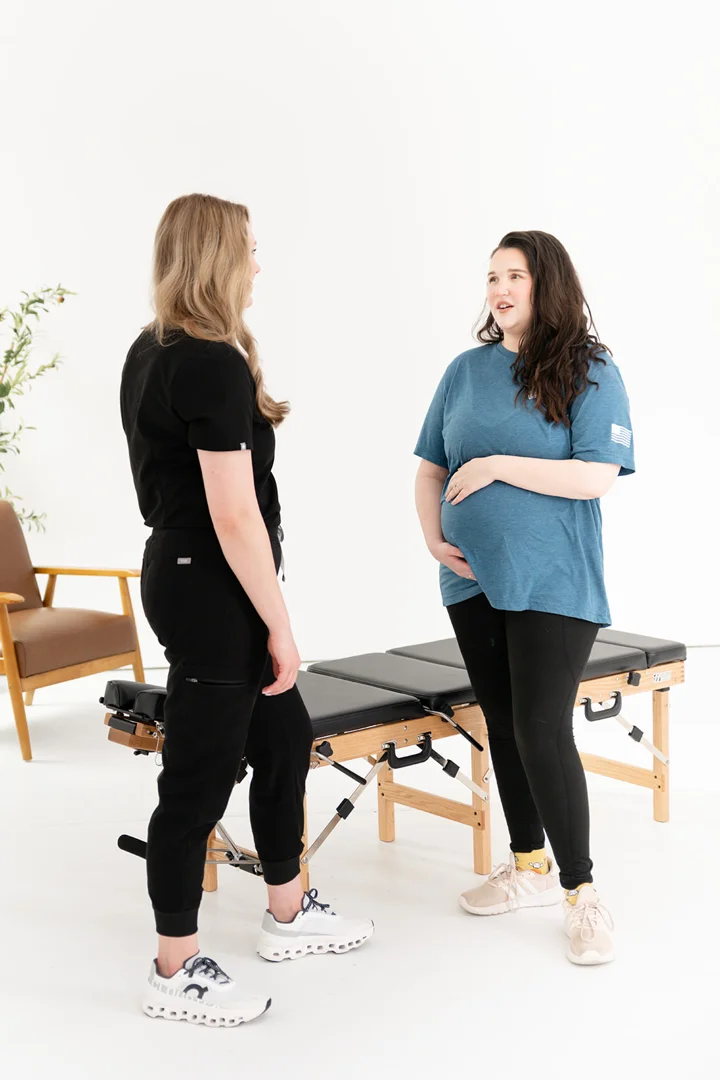
Holistic Ways to Support Your Musculoskeletal Health Through Every Stage of Womanhood starts with a few steady habits: building strength, staying active, eating enough protein and calcium-rich foods, and making time for sleep and recovery. Adapting your movement as your body changes. During pregnancy or after birth, that may mean gentler exercise and help with back or pelvic pain. In midlife, strength and balance work become especially important for protecting mobility and reducing falls.
Hormone shifts can affect bones, muscles, and joints, but new or lasting pain is not something you have to dismiss as "just aging." A healthcare professional can help you find its cause and choose care that fits your life.
I'm Leah Bagg, a chiropractor at Magnolia Chiropractic with training in health and exercise science and a focus on caring for women and families, including during pregnancy and postpartum recovery. In this guide to Holistic Ways to Support Your Musculoskeletal Health Through Every Stage of Womanhood, I'll explain how to pair everyday habits with thoughtful, personalized care.
Introduction: The Lifelong Continuum of Women’s Joint and Bone Vitality
Throughout a woman's lifetime, the body experiences dynamic physical transformations. From the rapid skeletal development of adolescence to pregnancy, postpartum recovery, perimenopause, and beyond, the musculoskeletal system constantly remodels itself. Bones, joints, muscles, and connective tissues do not operate in isolation—they respond to a continuous interplay of mechanical stress, nutrition, and chemical signaling (Soares et al., 2023).
Estrogen receptors are distributed throughout the human body, embedded directly within osteoblasts (bone-building cells), articular cartilage, ligaments, tendons, and skeletal muscle fibers. Because of this widespread receptor network, fluctuations in hormone levels shape biomechanical adaptation and systemic inflammation. Understanding these biological shifts allows women to adopt proactive self-care habits at every age.
Hormonal Milestones: From Pubertal Growth and Pregnancy to the Musculoskeletal Syndrome of Menopause
Each biological milestone brings distinct physiological changes:
- Adolescence & Puberty: Rapid bone modeling occurs, laying down the foundation for lifetime bone mineral density.
- Reproductive Years & Pregnancy: Circulating relaxin and progesterone increase ligamentous laxity to accommodate fetal growth and birth.
- Perimenopause & Menopause: Ovarian hormone production declines, often precipitating the Musculoskeletal Syndrome of Menopause (MSM).
During the climacteric transition, hypoestrogenism accelerates bone turnover, reduces type-I collagen synthesis in tendons, and contributes to cartilage degradation and sarcopenia (loss of skeletal muscle mass). Research indicates that nearly 50 million women navigate the menopausal transition each year, with more than 70% experiencing musculoskeletal discomfort and over 50% reporting joint stiffness.
A 2024 meta-analysis encompassing over 482,000 midlife women identified a pooled arthralgia prevalence of roughly 65.4%. A significant number of women also experience adhesive capsulitis ("frozen shoulder") and generalized aches, pointing to the value of understanding evidence on menopausal arthralgia and connective tissue changes rather than feeling dismissed when standard imaging shows no acute structural breaks.
| Life Stage | Primary Hormonal Drivers | Common Musculoskeletal Features | Clinical Focus |
|---|---|---|---|
| Reproductive Years (20s–30s) | Steady Estrogen & Progesterone cycles | Peak bone mass attainment; cyclical ligament laxity | Progressive strength, joint stability, alignment |
| Perimenopause (40s) | Fluctuating Estrogen, declining Progesterone | Morning joint stiffness, tendon irritation, aches | Tendon health, anti-inflammatory nutrition, load management |
| Postmenopause (50s+) | Low baseline Estrogen (Hypoestrogenism) | Accelerated bone mineral loss, muscle mass loss | Osteogenic loading, balance, fall prevention |
Holistic Ways to Support Your Musculoskeletal Health Through Every Stage of Womanhood: Early Adulthood and Motherhood
In young adulthood, physical activity and adequate nutrition help maximize peak bone mass. Establishing baseline bone health during these formative decades provides a resilient structural foundation for later life.
During pregnancy, structural changes place unique mechanical demands on the spine and pelvis. Elevated relaxin softens pelvic ligaments, shifting the center of gravity forward and increasing lumbar lordosis. Addressing pregnancy-related back pain through gentle, evidence-based adjustments helps restore balance to stressed joints. Utilizing specialized prenatal chiropractic adjustments promotes proper pelvic biomechanics, helping mothers stay comfortable during gestation.
The postpartum phase presents its own recovery needs. As hormones normalize, new mothers must navigate the physical demands of newborn care while working on postpartum pelvic stability. Integrating structured breathwork, myofascial release, and targeted movements helps rebuild core strength safely after pregnancy while protecting healing tissues like the linea alba.
Holistic Ways to Support Your Musculoskeletal Health Through Every Stage of Womanhood
Sustaining lifelong vitality requires supporting bones, joints, muscles, and fascial networks through intentional movement and daily habits.
Evidence-Based Movement Protocols: The FACE Method and Progressive Resistance Training
Exercise provides powerful mechanical stimulation for bone preservation and joint comfort. The FACE framework offers a well-rounded foundation for functional movement:
- F – Flexibility & Mobility: Daily active range-of-motion routines—such as hip openers, spinal rotations, and controlled dynamic stretches—keep joint capsules hydrated and maintain tissue glide.
- A – Aerobic Conditioning: Low-impact cardiovascular activities like brisk walking, cycling, or swimming stimulate circulation and joint fluid circulation without excessive articular wear.
- C – Carrying a Load (Resistance Training): Progressive overload using free weights, resistance bands, or bodyweight exercises places tensile forces on bone attachments, stimulating osteoblasts to maintain bone mineral density.
- E – Equilibrium & Balance: Single-leg balance drills, tai chi movements, and unstable surface training sharpen proprioception, reducing fall risk in midlife and beyond.
Adding low-to-moderate impact exercises, such as gentle jumping or step routines, generates multi-directional forces that encourage bone density. For joint preservation, every 1 lb of body weight reduction decreases knee joint loading by approximately 4 lbs of force during walking. Applying clinical guidance on midlife bone and joint preservation keeps physical routines safe, sustainable, and effective.
Targeted Nutrition and Restorative Strategies for Joint, Muscle, and Connective Tissue Longevity
Nutritional choices directly affect bone remodeling and systemic inflammation. Key nutrients that support musculoskeletal health include:
- Calcium & Vitamin D3: Essential for mineralizing the skeletal matrix (aiming for roughly 1,200 mg of calcium daily from dietary sources and supplementation as advised by your doctor).
- Vitamin K2: Works alongside Vitamin D3 to guide calcium directly into bone tissue rather than arterial walls.
- Magnesium Glycinate: Supports muscle relaxation, neuromuscular signaling, and deep restorative sleep.
- Omega-3 Fatty Acids: Help modulate inflammatory pathways, easing everyday joint discomfort.
- Creatine Monohydrate & Collagen Peptides: Aid muscle protein retention and provide structural amino acids for tendons and ligaments.
A Mediterranean-style dietary pattern rich in leafy greens, nuts, seeds, wild seafood, and colorful produce delivers protective antioxidants. Pair this with 7 to 9 hours of uninterrupted sleep each night, as human growth hormone and tissue remodeling peak during non-REM deep sleep stages, supporting muscle recovery. Combining anti-inflammatory nutrition with physical care draws directly from current research on managing joint discomfort during hormonal transitions.
Clinical Care and Holistic Support in Midlife and Beyond
As estrogen levels drop, manual therapies provide helpful support for stiff tissues and irritated joints. Non-invasive clinical approaches include:
- Gentle Spinal & Extremity Adjustments: Restoring optimal joint mechanics eases uneven load distribution and alleviates tension on surrounding muscles.
- Myofascial Release & Soft Tissue Mobilization: Relieves tight fascial bands, reduces morning stiffness, and improves localized blood flow.
- Diaphragmatic Breathing & Lymphatic Drainage: Encourages fluid movement, reduces fluid retention, and calms systemic stress responses.
- Pelvic & Core Coordination: Evaluating pelvic floor and spinal alignment connections helps stabilize the lumbopelvic region during physical activity.
These gentle modalities support holistic nervous system regulation, shifting the body out of chronic fight-or-flight tension and facilitating natural recovery.
Building a Proactive Multidisciplinary Support System for Long-Term Mobility
Caring for women's musculoskeletal health works best when approached collaboratively. Rather than treating symptoms in isolation, coordinating with primary care physicians, gynecologists, physical therapists, and chiropractors ensures well-rounded, continuous care.
Navigating Medical Red Flags, Hormone Therapy, and Collaborative Spinal Care
It is important to differentiate between common menopausal joint stiffness and conditions requiring medical attention. Typical menopausal arthralgia presents with bilateral, generalized aches and morning stiffness resolving within 15 to 30 minutes without joint swelling.
Clinical Red Flags Requiring Immediate Medical Workup:
- Marked joint swelling, heat, or erythema (redness)
- Morning stiffness lasting longer than 60 minutes (suggestive of inflammatory arthritis)
- Unexplained weight loss, persistent fever, or new neurological deficits (numbness, tingling, progressive weakness)
When menopausal symptoms affect daily function, Hormone Replacement Therapy (HRT) may be discussed with a physician. Evidence indicates that estrogen therapy can help ease joint pain and preserve bone density when initiated within ten years of menopause onset. Women in Cleveland County can coordinate with local women's health resources to make informed, shared decisions about hormone health.
Simultaneously, regular chiropractic care supports healthy posture, relieves compensatory spinal strain, and helps in relieving stress-related tension and headaches.
At Magnolia Chiropractic, we take the time to listen, assess your spinal biomechanics, and craft gentle, evidence-based care plans tailored to your life stage. Whether you are navigating pregnancy, recovering postpartum, or seeking to preserve joint mobility in midlife, we are here to support your journey. Discover how personalized, gentle family chiropractic care in Norman, OK can help you stay active, comfortable, and strong for years to come.
References
Soares Júnior JM, Lopes RD, Sorpreso ICE, Baracat EC. "Women health: holistic view.." Revista da Associacao Medica Brasileira (1992), 2023. PMCID PMC10411701.
