
A Practical Guide to Headaches, Stress, and Tension
Why Headaches, Stress, and Tension Affect So Many of Us — And What You Can Do
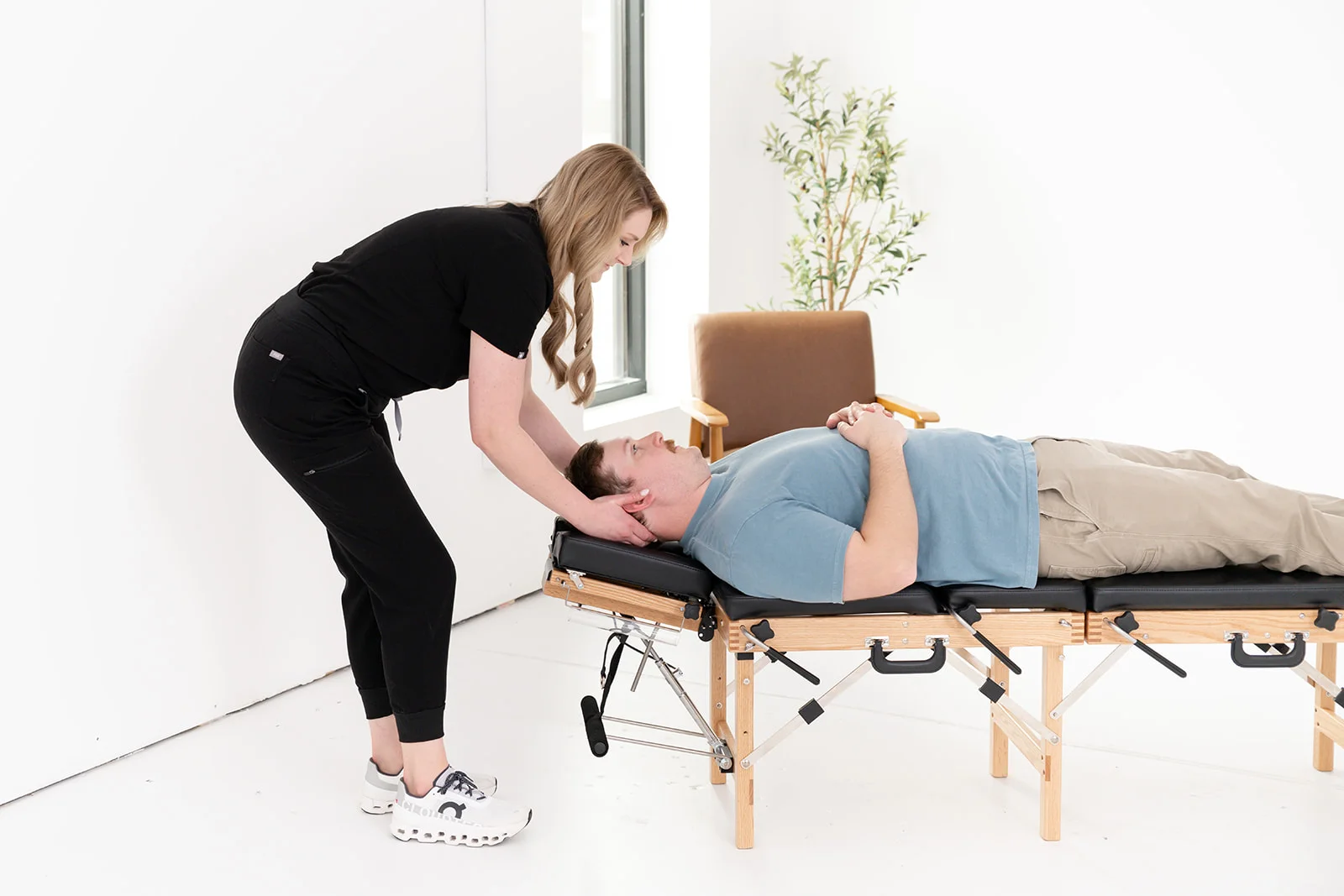
How Chiropractic Care Can Help Headaches, Stress, and Tension is something nine out of ten Americans need to understand — because nearly all of us will deal with headaches at some point in our lives.
Here is a quick overview of what the research tells us:
| Question | Short Answer |
|---|---|
| What causes most headaches? | Muscle tension in the neck, stress, and poor posture |
| What type of headache is most common? | Tension headaches (part of the 95% of headaches that are primary headaches) |
| Can chiropractic care help? | Yes — research shows it can reduce both frequency and severity |
| Is it safe and drug-free? | Yes, when performed by a licensed chiropractor after a proper assessment |
| What else helps? | Posture improvements, hydration, movement breaks, and stress management |
About 95% of all headaches are primary headaches — meaning they are not caused by an underlying disease. The vast majority are linked to muscle tension in the neck and shoulders. Stress makes this worse by tightening those muscles, changing your posture, and lowering your body's pain threshold.
The good news? These are often correctable problems — not something you simply have to live with.
At Magnolia Chiropractic in Norman, OK, we help patients - especially women and families - find gentle, evidence-based relief from headaches, stress, and tension. In this guide, you'll learn the basics of how stress and muscle tension can trigger headaches, and how chiropractic care may support more comfortable, informed choices for your health and your family's wellbeing.
Understanding Headaches, Stress, and Tension: How Chiropractic Care Can Help
When we talk about headaches, it is easy to lump them all into one category of "pain in the head." However, as we move through April 2026, clinical understanding has evolved to recognize that not all headaches are created equal. To find the right relief, we first need to understand the different ways our bodies signal distress.
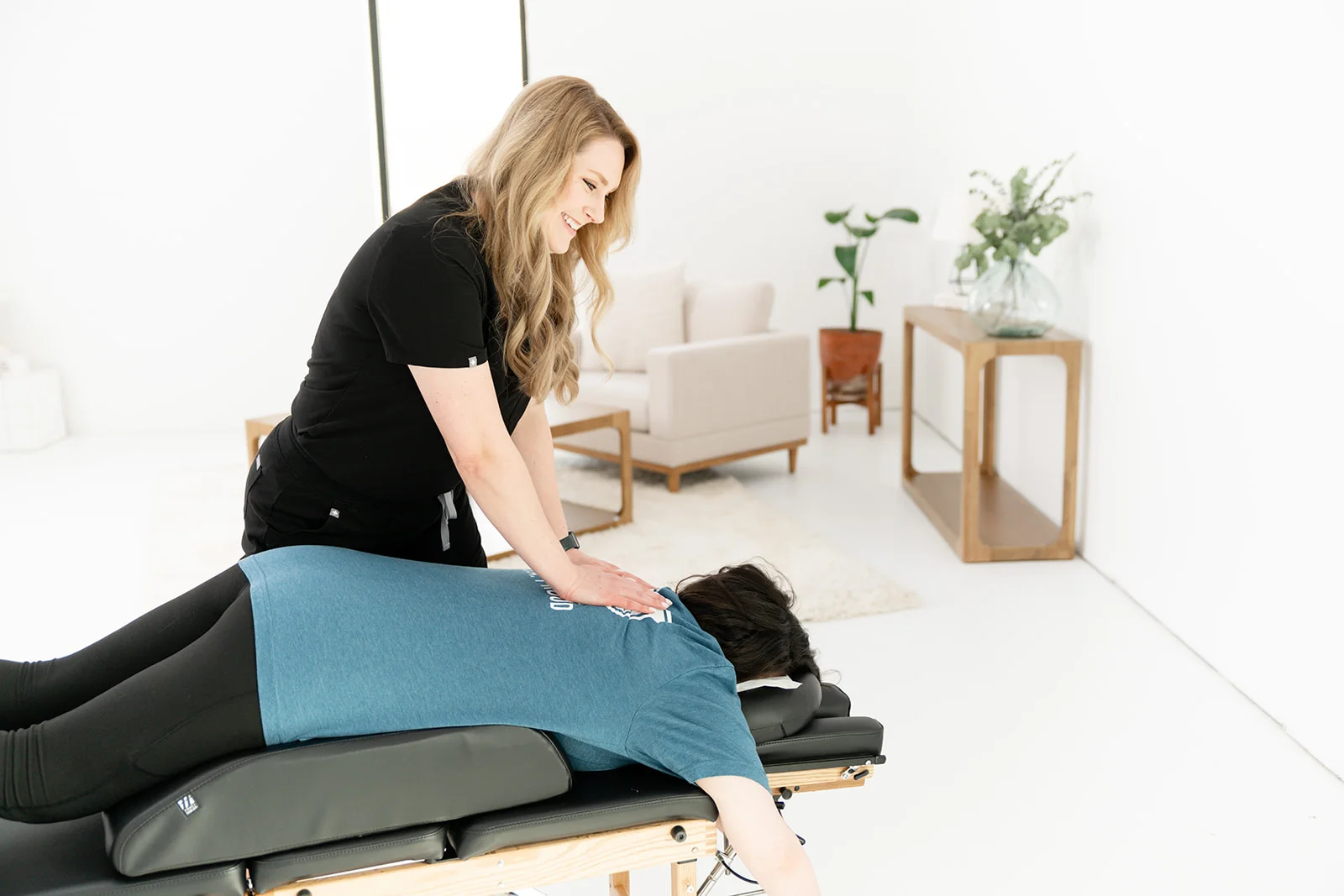
The Three Most Common Headache Types
Most of the patients we see in our Norman, OK office suffer from one of three primary types:
- Tension Headaches: These are the most frequent. They often feel like a tight rubber band wrapped around your forehead or a dull, persistent ache on both sides of the head.
- Migraines: These are typically more intense, often occurring on one side of the head. They are frequently accompanied by light sensitivity, nausea, or "auras."
- Cervicogenic Headaches: These actually originate in the neck (the cervical spine). While the pain is felt in the head or behind the eyes, the root cause is often stiffness or dysfunction in the upper neck joints.
The Role of Spinal Health
At the core of how we help is the concept of spinal alignment. When the vertebrae in your neck are not moving correctly—a condition often referred to as a subluxation—it can irritate the surrounding nerves. Because your nervous system is the "electrical wiring" for your entire body, this irritation can trigger a cascade of muscle spasms and vascular changes that result in a headache.
By restoring proper motion to these joints, we help the nervous system function at its best. This is a foundational part of Scientific research on managing stress for relief, which highlights how addressing physical stressors can alleviate the mental and emotional burden of chronic pain.
The Connection Between Stress and Muscle Tension
We have all had those days where the weight of the world feels like it’s sitting right on our shoulders. In Norman, whether it’s a long commute on I-35 or a deadline-heavy week at work, stress manifests physically.
When we are under pressure, our bodies instinctively go into a "fight or flight" mode managed by the autonomic nervous system. This leads to several common physical triggers:
- Shoulder Shrugging: We subconsciously pull our shoulders toward our ears, tightening the trapezius muscles.
- Neck Stiffness: Constant tension in the suboccipital muscles (at the base of the skull) can refer pain directly into the temples.
- Jaw Clenching: Stress often leads to teeth grinding or jaw clenching, which creates tension that radiates upward into the head.
These physical habits create a feedback loop. The more stressed you feel, the tighter your muscles become; the tighter your muscles become, the more pain signals are sent to the brain, which in turn increases your stress levels. Breaking this cycle is essential for long-term health. For those looking to dive deeper into how the body and spine interact, you can find More info about chiropractic resources on our website.
Headaches, Stress, and Tension: How Chiropractic Care Can Help with Natural Relief
Many people reach for over-the-counter pain relievers the moment a headache strikes. While these can provide temporary numbing, they don't address why the headache happened in the first place. Chiropractic care offers a drug-free alternative that focuses on the "why."
What the Science Says
Research suggests chiropractic care may help some people manage certain kinds of headaches, especially when neck tension and joint restriction are part of the picture.
- The Boline study (1995) found that people with tension-type headaches who received spinal manipulation had improvements in headache intensity and frequency, with benefits that continued after treatment ended.
- The Tuchin study (2000) looked at migraines and reported meaningful improvement for many participants who received chiropractic care, including fewer attacks and less headache-related disability.
That does not mean chiropractic care is a cure-all. But it does support a practical idea: for some patients, a drug-free, hands-on approach can be a useful part of a broader headache relief plan.
A Multimodal Approach
At Magnolia Chiropractic, care goes beyond a quick adjustment. Treatment may combine spinal manipulation to improve joint motion with soft tissue therapy to reduce tight, overworked muscles. That matters because headaches linked to stress and tension often involve both restricted movement and muscle strain. By addressing the joints and the surrounding tissues together, chiropractic care can support more complete, natural relief without relying only on medication.
Identifying Red Flags and When to Seek Care
While most headaches are primary and manageable through conservative care, we always prioritize safety. It is important to know when a headache might be a sign of something more serious.
We recommend seeking immediate medical attention if you experience:
- A sudden, "thunderclap" headache that is the worst you’ve ever felt.
- Headaches accompanied by a high fever and a very stiff neck.
- Sudden changes in vision, speech, or balance.
- Numbness or weakness in the face or limbs.
For most other chronic or recurring headaches, a professional assessment by a chiropractor is a great first step. We look for pattern changes—such as headaches that used to happen once a month now happening three times a week. If you have questions about what to expect during an exam, you can find More info about chiropractor FAQs Norman OK to help put your mind at ease.
Long-Term Management and Prevention Strategies
Achieving relief is the first goal, but staying relieved is where the real magic happens. This involves looking at your daily environment and habits.
The Modern "Tech Neck"
In our digital age, many of us spend hours looking down at phones or laptops. For every inch your head moves forward from its neutral position, it adds an extra 10 pounds of stress to your neck muscles. Over time, this "forward head posture" becomes a major contributor to Headaches, Stress, and Tension: How Chiropractic Care Can Help.
Chiropractic vs. Medication: A Comparison
It is helpful to see how these two approaches differ in the long run.
| Feature | Chiropractic Care | OTC Medication |
|---|---|---|
| Primary Goal | Address root cause (alignment/tension) | Mask pain symptoms |
| Long-term Effect | Reduces frequency of future episodes | Only works while the drug is in the system |
| Side Effects | Minimal (occasional mild soreness) | Potential for stomach, liver, or kidney issues |
| Approach | Natural and holistic | Chemical/Pharmacological |
Lifestyle Habits and Headaches, Stress, and Tension: How Chiropractic Care Can Help
Small changes in your daily routine can lead to big decreases in headache frequency. Here are a few "pro-tips" we often share with our patients:
- The 20-8-2 Rhythm: For every 30 minutes of desk work, spend 20 minutes sitting (with good posture), 8 minutes standing, and 2 minutes moving or stretching.
- Hydration: Dehydration is a massive headache trigger. Aim for half your body weight in ounces of water every day.
- Diaphragmatic Breathing: When we are stressed, we tend to breathe shallowly into our upper chest, which tightens the neck muscles. Practice "belly breathing" to calm the nervous system.
- Eye-Level Screens: Whether it’s your monitor or your phone, bring the device to your eyes rather than bringing your head to the device.
We regularly share more tips like these and deep dives into wellness on More info about our Norman OK blog.
Supporting the Whole Family Through Every Milestone
At Magnolia Chiropractic, we believe that a healthy nervous system is vital for everyone, from the smallest members of the family to the oldest.
Pediatric Wellness: Children experience stressors, too—though their "stress" might look like a tumble while learning to walk or the heavy weight of a school backpack. We monitor developmental milestones like crawling and walking to ensure that the spine is developing correctly. Proper alignment in childhood can set the stage for a life with fewer headaches and better overall health.
Prenatal Comfort: Pregnancy brings about significant postural changes. As the center of gravity shifts, the curve in the lower back increases, often causing a compensatory "slump" in the upper back and neck. This can lead to frequent tension headaches for expecting mothers. Our gentle, tailored techniques provide safe relief during this important time.
Whether you are looking for More info about general chiropractor Norman OK services for yourself or your children, our goal is always the same: patient-centered, evidence-based care.
Finding Lasting Relief at Magnolia Chiropractic
Living with chronic headaches can make even the simplest tasks feel like a mountain to climb. But you don't have to navigate this alone. At Magnolia Chiropractic in Norman, OK, we take the time to listen to your story, perform a thorough evaluation, and create a plan that fits your life.
We pride ourselves on being different from the "one-size-fits-all" clinics. We offer thorough explanations and gentle techniques because we know that when you understand your body, you are empowered to take better care of it.
If you are ready to see how Headaches, Stress, and Tension: How Chiropractic Care Can Help you reclaim your days, we would love to meet you.
Schedule a visit with a family chiropractor in Norman, OK today and take the first step toward a clearer, more comfortable tomorrow.
