
Why Pregnancy Makes It Hard to Get Comfortable at Night
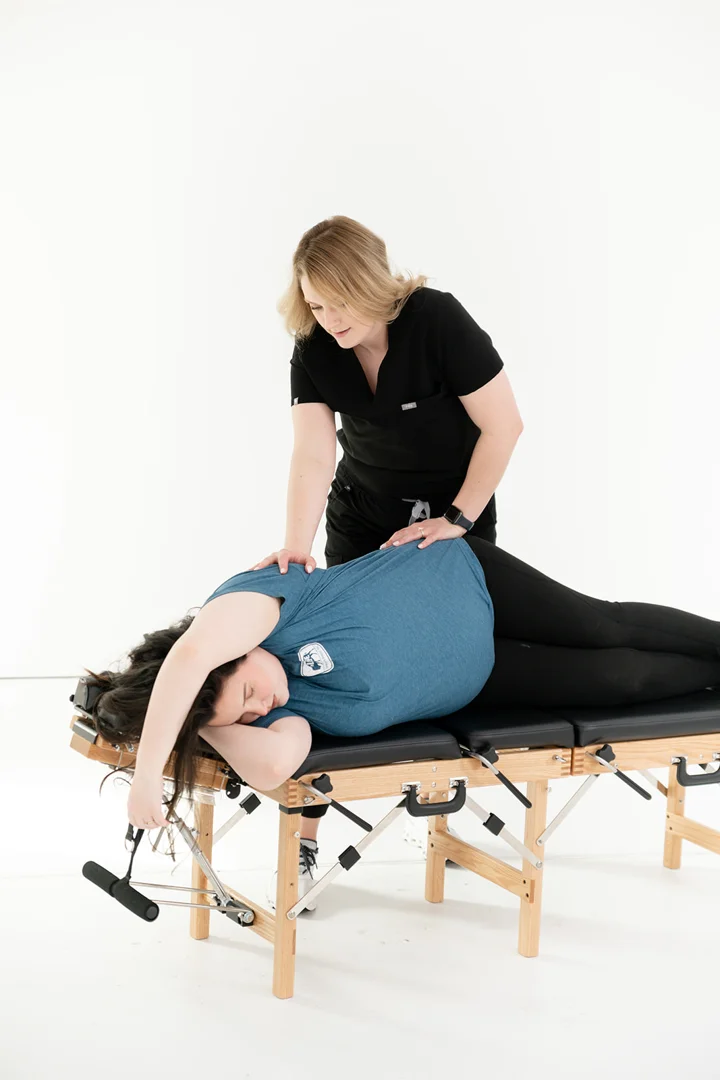
If you're pregnant and can't get comfortable at night, your changing body may be putting pressure on your hips, back, and bladder. Heartburn, leg discomfort, and stress can make it harder to stay asleep. Try resting on either side with a pillow between your knees and another under your belly. If one hip starts to hurt, switch sides.
Sleep problems are common, especially later in pregnancy. Up to 80% of women report insomnia symptoms by the third trimester. You don't have to simply put up with ongoing pain or lost sleep; your prenatal care provider can help you find the cause and discuss safe options.
I'm Dr. Leah Bagg, a Norman chiropractor who works with pregnant patients and has completed additional training through the ICPA and Spinning Babies. In Pregnant and Can't Get Comfortable at Night? Here's Why, I'll help you understand what may be waking you and where to start finding relief.
Pregnant and Can't Get Comfortable at Night? Here's Why Your Body Struggles
Finding rest during pregnancy can feel like trying to settle into an entirely unfamiliar body every single week. Nearly 78% of women report that their sleep becomes significantly more disturbed during pregnancy than at any other point in their lives. While society often jokes about sleepless nights beginning after the baby arrives, the physiological shift starts much earlier.
During the first trimester, a rapid surge in progesterone can cause intense daytime drowsiness, yet it often fragments nighttime sleep. As pregnancy advances into the second and third trimesters, mechanical and anatomical changes take center stage. According to research on pregnancy sleep disturbances, shifting vascular demands and the physical presence of the growing baby alter how your cardiovascular and musculoskeletal systems operate when you lie down.
When lying flat on your back, the weight of your uterus presses directly against the inferior vena cava—the large vein carrying deoxygenated blood back to your heart. This compression reduces venous return and cardiac output, leading to dizziness, shortness of breath, and restless tossing. Concurrently, your expanding uterus increases pressure on your bladder, creating the need for frequent nocturnal bathroom trips. Combined with pelvic joint laxity, many mothers develop SI joint pelvic girdle pain in late pregnancy, making the simple act of rolling over in bed an uncomfortable ordeal.
Physical Causes: Why You're Pregnant and Can't Get Comfortable at Night
The physical mechanics of pregnancy extend well beyond an expanding belly. As your baby grows upward toward the ribcage, upward pressure on your diaphragm decreases your normal lung volume, making deep, restful breathing harder to sustain while lying flat.
At the same time, elevated estrogen levels cause the mucous membranes lining your nasal passages to swell. Known as pregnancy rhinitis, this condition increases nasal congestion, mouth breathing, and nighttime snoring.
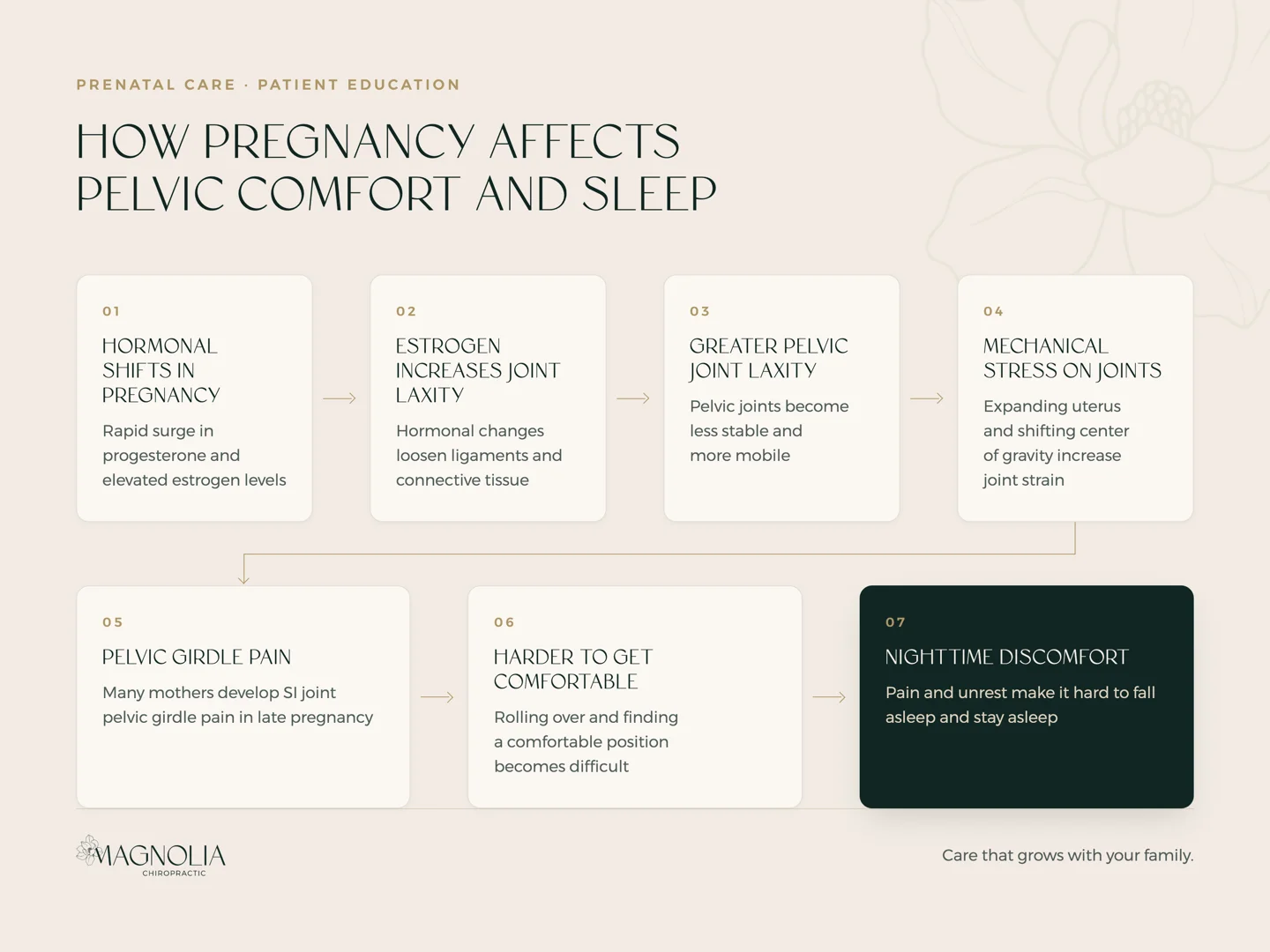
Your musculoskeletal alignment also undergoes continuous adaptation. As your center of gravity shifts forward, the curve in your lumbar spine deepens, placing heightened tension on the surrounding paraspinal muscles. Clinical insights on pregnancy insomnia show that over 50% of expectant mothers experience sleep disruption due to localized physical pain. When unaddressed, this mechanical stress frequently develops into pregnancy-related back pain, preventing your muscles from fully relaxing into restorative sleep stages.
Nighttime Disruptors: Heartburn, Restless Legs, and Pelvic Strain
Beyond mechanical aches, specific physiological disruptors often emerge the moment your head hits the pillow:
- Gastroesophageal Reflux (Heartburn): Progesterone relaxes the smooth muscles throughout your body, including the lower esophageal sphincter. When you lie horizontal, stomach acids travel upward into the esophagus, producing a burning sensation. Understanding pregnancy heartburn digestion and nervous system function helps explain how posture, autonomic balance, and diet interact to disturb sleep.
- Restless Legs Syndrome (RLS) & Cramps: About 1 in 3 pregnant women experience uncomfortable creeping sensations or sudden muscle cramps in their calves at night. These symptoms are frequently linked to changes in peripheral circulation or mild iron deficiency anemia.
- Pubic Symphysis Dysfunction: Relaxin causes the ligaments stabilizing your pelvic ring to loosen. Asymmetrical movement in bed can create sharp pain at the pubic bone or inner thighs.
Rest is essential during this stage of life. Chronic sleep deprivation does more than cause daytime fatigue; studies indicate that women who average fewer than six hours of sleep per night in late pregnancy face higher rates of cesarean delivery and prolonged labor. Coordinated prenatal care, including local obstetrical care support, ensures these underlying issues are evaluated thoroughly.
Evidence-Based Strategies to Reclaim Restful Sleep During Pregnancy
Restoring your sleep quality does not require extreme changes. Instead, it involves intentional habits that support your nervous system and reduce physical tension before you go to bed.
Following MedlinePlus guidelines on sleep problems during pregnancy, foundational sleep hygiene includes keeping your bedroom cool (around 65°F), dark, and quiet. Shift the bulk of your hydration to the morning and afternoon hours, tapering fluid intake two hours before bedtime to minimize nocturia.
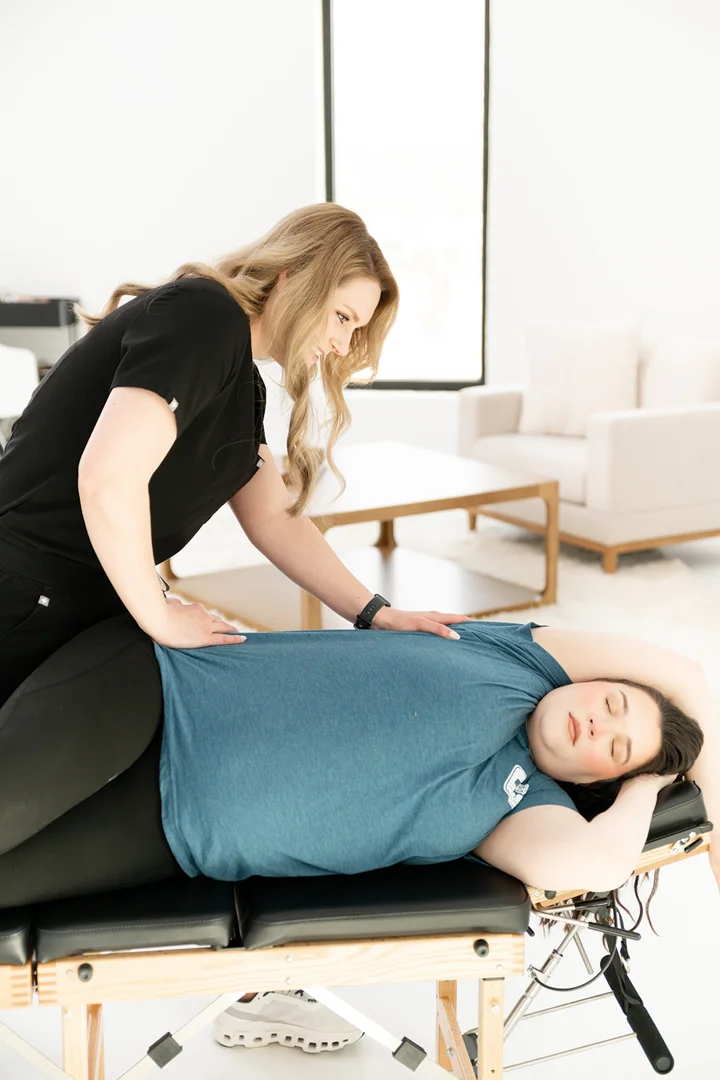
Pairing these environmental habits with the benefits of prenatal chiropractic care helps ensure your pelvis and spine remain balanced, taking unnecessary strain off supporting ligaments and muscles.
Best Sleep Positions If You're Pregnant and Can't Get Comfortable at Night
Positioning becomes critical as you enter the second half of pregnancy. Medical professionals across the globe recommend side sleeping, particularly favoring your left side.
According to the Johns Hopkins guide to pregnancy sleep, resting on your left side optimizes blood flow among your heart, uterus, kidneys, and placenta because it keeps the heavy weight of the uterus off your liver and vena cava.
If you wake up on your back in the middle of the night, try not to worry. Your body naturally alerts you to shift positions through restlessness or mild lightheadedness long before harm occurs. Simply turn back onto your side, bend your knees slightly toward your chest, and settle back into your pillows.
Pregnancy Pillow Setups and Alignment Techniques
The right pillow arrangement provides external support so your muscles do not have to work overtime to keep your spine aligned while you sleep.
| Pillow Type | Best Used For | Key Support Area | Ideal Sleeper Profile |
|---|---|---|---|
| U-Shaped Pillow | Full-body front and back support | Back, belly, hips, and between knees | Restless sleepers who turn from side to side |
| C-Shaped Pillow | Targeted pelvic and neck alignment | Head, belly, and knees in a curled position | Sleepers with smaller mattresses or limited bed space |
| Wedge Pillow | Localized relief and elevation | Under belly or propping upper torso for acid reflux | Travelers or those wanting minimal bulk |
To optimize any setup, follow this guide to pregnancy pillow positions: place a firm pillow between your knees and ankles to keep your pelvis level, slip a low-profile wedge beneath your growing belly, and tuck a pillow behind your back to prevent rolling flat. If hip soreness persists on a firm mattress, adding a breathable egg-crate or memory foam topper can ease pressure over the greater trochanter.
Lifestyle Adjustments, Safe Aids, and When to Seek Professional Care
Gentle daily movement calms the nervous system and prepares your body for sleep. Incorporating prenatal yoga, light walking, or targeted hip openers eases tension in tight pelvic structures. While occasional over-the-counter sleep aids like diphenhydramine are considered low-risk by some providers, always consult your physician or midwife before taking medications or supplements. Addressing nutrient levels—such as magnesium or iron for leg cramps—is best done under clinical guidance.
When sleep disturbances stem from pelvic misalignment, rib tension, or persistent sciatica, gentle bodywork can make a meaningful difference. At Magnolia Chiropractic, we offer tailored, evidence-based care designed to restore comfort throughout every stage of motherhood. As a trusted prenatal chiropractor in Norman, OK, our goal is to support your body's natural alignment so you can get the restful, restorative sleep you and your growing baby deserve.
