
Planning Your Journey: An Overview of Holiday Pregnancy Travel
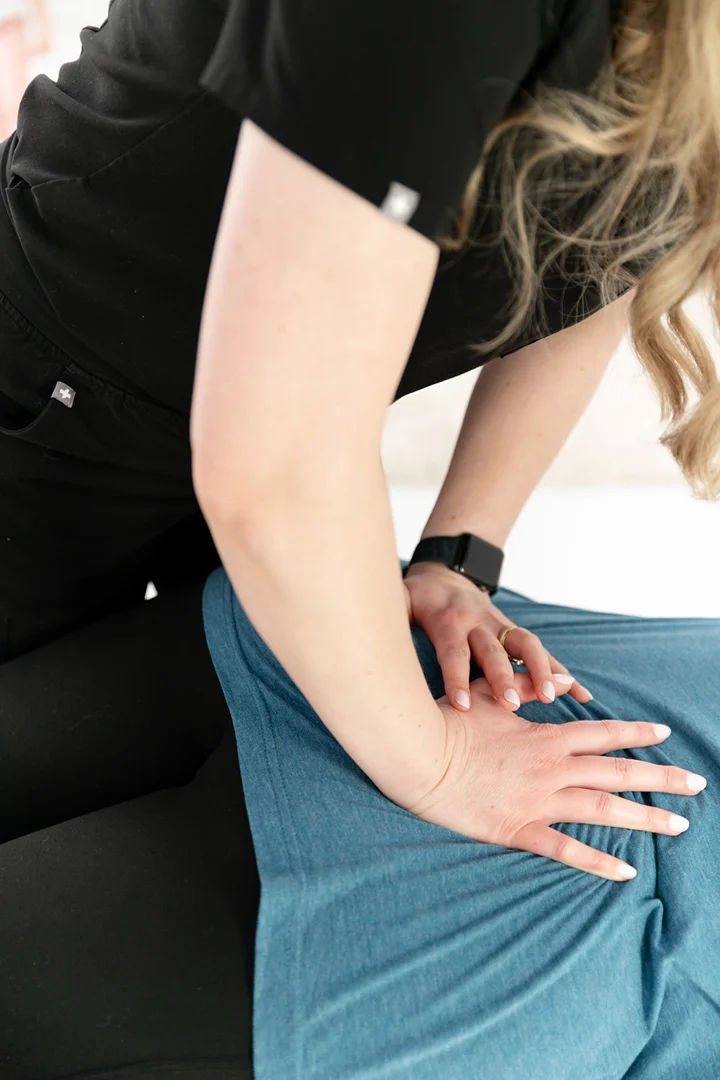
To keep your hips and back comfortable during holiday travel while pregnant, support your lower back with a small pillow, keep both feet supported, and get up to walk and stretch regularly. On long drives, plan frequent stops. In the car, wear the lap belt low under your belly and the shoulder belt across your chest. On flights, an aisle seat makes it easier to move.
Travel is generally safe during an uncomplicated pregnancy, and weeks 14 to 28 are often the most comfortable time to go. Check with your pregnancy care team before a long trip, especially if you have complications or are nearing your due date.
I'm Leah Bagg, a Norman chiropractor who works with pregnant women and continues to study gentle, family-centered care. In Holiday Travel While Pregnant: How to Keep Your Hips and Back Comfortable, I'll share practical ways to ease strain while keeping safety in mind.
The second trimester is often called the "golden window" for getaways. Morning sickness usually subsides, energy rebounds, and moving around feels relatively easy before the third trimester begins.
However, pregnancy brings rapid physical adaptations. Relaxin softens pelvic ligaments, your center of gravity moves forward, and increased blood volume changes your circulation. When you add hours in a cramped vehicle or airplane seat, that natural lumbar curve flattens, placing added stress on your sacrum and hips. With some intentional planning, you can protect your spine and arrive at your destination ready to enjoy the holiday festivities.
Holiday Travel While Pregnant: How to Keep Your Hips and Back Comfortable on Long Journeys
Long-distance journeys test your spinal endurance. As your belly expands, your body balances the forward weight by increasing lumbar lordosis (the inward curve of the lower back). Extended sitting reverses this curve, placing concentrated pressure on the lumbosacral junction and hip sockets.
Taking time for prepping your spine before a road trip makes a significant difference in how your joints handle sustained vibration and sitting.
| Travel Mode | Primary Biomechanical Challenges | Top Comfort Solutions |
|---|---|---|
| Car Travel | Road vibration, fixed leg angles, seat bucket slouching | Lumbar roll, rest stops every 60–90 min, pedal adjustments |
| Air Travel | Cabin pressure, dry air, tight seating, terminal walking | Aisle seat, compression socks, electrolyte hydration, lumbar pillow |
How to Keep Your Hips and Back Comfortable During Holiday Travel While Pregnant by Car
Driving offers flexibility, but car seats often have bucket-style designs that rotate the pelvis backward, contributing directly to pregnancy-related lower back pain.
- Seatbelt Placement: Place the lap strap low across your upper thighs and pelvic bones, well beneath your belly. The shoulder harness must cross over your collarbone and between your breasts, resting comfortably alongside the bump. Never tuck the shoulder strap behind your back or under your arm.
- Driver Distance: If driving, position yourself 10 to 12 inches away from the steering wheel to maintain a safe airbag buffer. Pedal extenders can help shorter drivers sit further back while reaching the controls easily.
- Support Your Lumbar Spine: Place a rolled hand towel or dedicated lumbar cushion behind your lower back to maintain an upright, neutral pelvis.
- Schedule Movement Breaks: Plan stops every 60 to 90 minutes. A quick 5-minute walk around a rest area restores spinal fluid exchange, activates glute muscles, and eases pelvic pressure.
How to Keep Your Hips and Back Comfortable During Holiday Travel While Pregnant on Flights
Air travel introduces dry air, atmospheric pressure shifts, and limited legroom. Reviewing clinical Travelling in pregnancy guidelines helps ensure you have appropriate documentation and preparation.
Booking an aisle seat is essential. It lets you stand up without having to step over seatmates, making it easier to manage alleviating radiating sciatic discomfort through gentle, frequent movement.
Put on graduated compression socks first thing in the morning before swelling starts. In your seat, use a small inflatable lumbar pillow to fill the gap behind your lower back. Bring an empty reusable water bottle through airport security and mix in electrolyte drops once filled to stay hydrated in dry cabin air. At the terminal, arrange luggage assistance so you avoid heavy lifting that could strain your sacroiliac joints.
Targeted Stretches and Biomechanical Relief for Pelvic Pain
Gentle movement while in transit helps prevent muscle stiffness and keeps sacroiliac joint and pelvic girdle pain manageable. You can easily do these seated and standing exercises during your trip:
- Seated Pelvic Tilts (Cat-Cow): Sit tall with hands on your knees. Inhale and gently arch your lower back, opening your chest. Exhale, tuck your tailbone slightly, and round your spine. Repeat 8 to 10 times to release lumbar tension.
- Ankle Pumps and Rotations: Point your toes down, pull them back up toward your shins, and roll your ankles in circles. Do this for 60 seconds every half hour to encourage venous blood flow.
- Seated Torso Side Reach: Raise one arm overhead and gently lean toward the opposite side, feeling a mild stretch through your ribs and waist. Hold for three deep breaths and switch sides.
- Standing Galley or Rest Stop Hip Circles: Stand with hands on your hips and feet shoulder-width apart. Slowly move your hips in wide, smooth circles or figure-eights to release hip flexors and decompress the sacrum.
- Calf Raises: Stand near a sturdy wall or seatback. Rise onto the balls of your feet, hold for two seconds, and lower slowly. Complete 15 repetitions to pump fluid out of your lower legs.
Medical Safety, Travel Logistics, and Destination Wellness
Planning for practical medical logistics keeps your trip running smoothly. Be sure to review standard Third-trimester pregnancy travel concerns with your obstetric provider before booking holiday travel.
Gestational Timing, Airline Restrictions, and Clot Prevention
Any travel lasting four hours or more—whether by car, plane, or train—doubles the baseline risk of deep vein thrombosis (DVT). Pregnancy naturally increases blood clotting factors, making regular movement and hydration necessary.
Most domestic airlines allow travel up to 36 weeks for uncomplicated single pregnancies, while international carriers often set their limit at 28 to 34 weeks and may require a medical clearance letter. Cruise lines generally restrict passengers who will enter their 23rd or 24th week of pregnancy during the sailing. After 34 weeks, most healthcare providers advise staying within two hours of your delivery hospital.
Travel Health Essentials, Red Flags, and Pre-Trip Chiropractic Care
Packing a dedicated comfort kit helps you stay prepared throughout your trip:
- Medical-grade graduated compression stockings (15–20 mmHg)
- Inflatable lumbar cushion and compact travel wedge
- Breathable maternity support belt for walking
- Electrolyte packets and a large water bottle
- Nutritious, non-perishable snacks (almonds, whole-grain crackers, protein bars)
- Printed copies of your prenatal records and provider contact numbers
- Motion comfort remedies (ginger drops, acupressure wristbands)
Ensure your travel insurance explicitly covers pregnancy-related care and unexpected delivery. Seek immediate medical attention at the nearest emergency facility if you notice warning signs such as vaginal bleeding, fluid leakage, regular contractions, severe abdominal or pelvic pain, sudden facial swelling, or a noticeable decrease in fetal movement.
A supportive foundation makes traveling far more comfortable. Incorporating gentle prenatal chiropractic care before you leave helps balance pelvic alignment, relieve round ligament tension, and ease strain on your nervous system.
At Magnolia Chiropractic, we focus on helping mothers stay comfortable and active throughout every stage of pregnancy and family life. As your baby arrives and grows, we continue that continuity of care through gentle pediatric wellness checkups—supporting early developmental milestones like tummy time, rolling, crawling, and walking with balanced spinal mechanics.
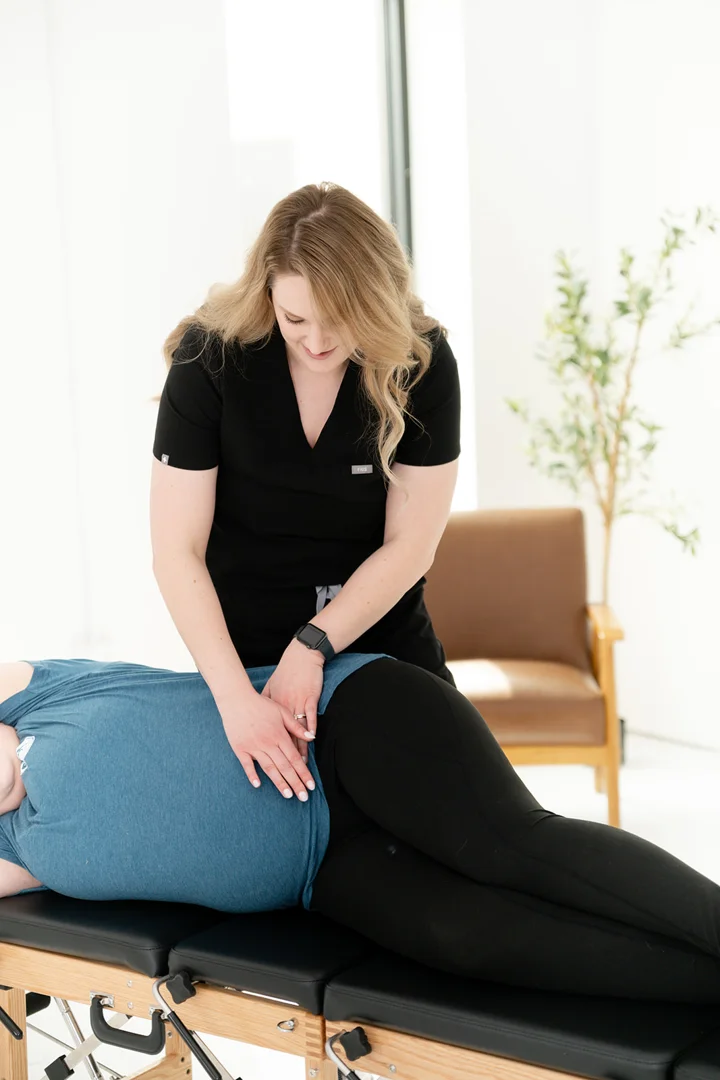
If you are getting ready for holiday travel and want to ensure your hips, pelvis, and lower back are well-aligned, consider scheduling an assessment with a prenatal chiropractor in Norman, OK at Magnolia Chiropractic. We will help you travel with confidence, comfort, and peace of mind.
