
All About Pregnancy Heartburn & Digestion: The Nervous System Link
When exploring pregnancy heartburn & digestion: the nervous system connection plays a central role in how your body adapts throughout gestation. Your stomach and intestines do not operate in isolation; they are constantly exchanging signals with your brain. This two-way communication channel is known as the gut-brain axis, and it relies heavily on your autonomic nervous system.
The autonomic nervous system consists of two primary divisions: the sympathetic branch (often called "fight or flight") and the parasympathetic branch (known as "rest and digest"). For healthy gastric motility, enzyme secretion, and coordinated muscle activity, your body relies on steady parasympathetic input. The primary highway for this signaling is the vagus nerve, which weaves from the brainstem all the way down into your abdominal organs. Embedded directly within the walls of your digestive tract is the enteric nervous system, often referred to as your "second brain," which oversees local peristalsis and sphincter tone. As outlined in a comprehensive Frontiers in Neuroscience vagus nerve review, vagal pathways and autonomic balance form the core foundation for internal visceral regulation and healthy adaptation during developmental life stages.
Enteric and Vagal Pathways in Maternal Digestive Function
During pregnancy, the vagus nerve and enteric neural plexus work overtime to manage shifts in digestion. Vagal signaling regulates gastric tone, controls smooth muscle rhythm, and supports the cholinergic anti-inflammatory pathway, which helps maintain a balanced inflammatory environment throughout the body.
When daily stress or physical discomfort occurs, sympathetic nervous system tone increases. This shift naturally dials down parasympathetic activity, leading to slower gastric transit, changes in secretion, and a feeling that food is "sitting like a rock" in your stomach. Recognizing common signs your nervous system is out of balance—such as tension, shallow breathing, and altered digestion—can help you take proactive steps to calm your system.
This intricate neural network also drives changes in maternal appetite, sudden cravings, and sharp food aversions. Sensory signals from the gut travel up the vagus nerve to the central autonomic network in the brain, altering taste perception and smell sensitivity. This is your nervous system's built-in protective mechanism at work during early gestation.
Hormonal and Biomechanical Influences on Upper GI Comfort
Hormones and physical changes create a unique digestive environment during pregnancy. Progesterone relaxes smooth muscle tissue throughout the body, which is essential for allowing the uterus to expand, but it also lowers resting pressure in the lower esophageal sphincter (LES). Estrogen acts as a biological primer, enhancing this smooth muscle relaxation. As a result, the natural muscular valve between the stomach and esophagus stays open more easily.
At the same time, the expanding uterus changes the biomechanics of your abdominal cavity. While research demonstrates that hormonal relaxation is the primary driver of reflux, the mechanical upward pressure against the stomach during the second and third trimesters can exacerbate symptoms. This shift can also contribute to postural compensations, altered diaphragmatic movement, and pregnancy related back pain.
Hormonal shifts also influence the central nervous system's area postrema—the brain's nausea-triggering center. Rapid surges in human chorionic gonadotropin (hCG) and estrogen stimulate this sensitive area, contributing to nausea and vomiting of pregnancy (NVP). As detailed in an American Journal of Gastroenterology clinical review, "morning sickness" is actually a misnomer; roughly 69% of expectant mothers experience nausea, and only 18% find it limited solely to the morning hours.
When Symptoms Signal Preeclampsia or Hyperemesis Gravidarum
While mild to moderate heartburn and occasional nausea are typical parts of pregnancy physiology, certain presentations require immediate medical evaluation. It is vital to differentiate benign digestive discomfort from conditions like preeclampsia or hyperemesis gravidarum.
A sudden onset of severe burning pain in the epigastric region or the upper right quadrant of the abdomen can sometimes be mistaken for standard acid reflux. However, during the second half of pregnancy, right upper quadrant discomfort can indicate liver capsule swelling associated with preeclampsia. According to the Cleveland Clinic overview on pregnancy heartburn, symptoms accompanied by high blood pressure, persistent headaches, visual changes, or sudden swelling in the face and hands should be evaluated by your OB-GYN or midwife immediately.
Similarly, persistent, severe nausea and vomiting accompanied by weight loss exceeding 5% of your pre-pregnancy weight, signs of dehydration, or urinary ketones may indicate hyperemesis gravidarum, which requires coordinated clinical hydration and medical management.
Restoring Balance and Finding Relief for Maternal Wellness
Supporting your body through these digestive changes involves a combination of gentle lifestyle habits, nervous system awareness, and thoughtful biomechanical support.
| Strategy Type | Actionable Intervention | How It Supports Digestion & Comfort |
|---|---|---|
| Meal Pacing | Eating 4–5 small meals daily | Prevents stomach over-distension and reduces upward pressure on the lower esophageal sphincter. |
| Nighttime Posture | Sleeping on the left side with a 6–8 inch bed wedge | Keeps the gastroesophageal junction above gastric contents and optimizes maternal circulation. |
| Hydration Timing | Sipping fluids between meals rather than with food | Keeps digestive enzymes concentrated and prevents excess gastric volume during eating. |
| Gentle Movement | Taking a 10-minute walk after meals | Encourages natural peristalsis and downregulates sympathetic stress responses. |
| Body Alignment | Gentle prenatal chiropractic adjustments | Eases spinal tension, promotes balanced ribcage mechanics, and supports comfortable diaphragmatic breathing. |
Clinical Lifestyle Strategies and Postpartum Digestive Recovery
Creating a calm, supportive routine around meal times helps shift your nervous system into a relaxed, parasympathetic state. Try setting aside uninterrupted time to eat slowly, chewing thoroughly, and remaining seated upright for at least an hour afterward.
For nighttime comfort, elevating the head of your bed frame with blocks or utilizing a supportive foam wedge provides the mechanical angle needed to keep gastric juices in place. Sleeping on your left side also naturally positions your stomach below the esophagus, reducing reflux episodes.

When lifestyle steps need extra support, your healthcare provider may suggest medications. As noted in clinical guidance from Johns Hopkins Medicine guidance on gestational heartburn, options like calcium-based antacids neutralize acid locally, while H2 receptor antagonists (such as famotidine) target the histamine receptors that stimulate parietal cells to produce acid.
Fortunately, because pregnancy-related reflux is driven by the unique hormonal state of gestation, symptoms resolve naturally for most mothers shortly after birth as progesterone and estrogen levels normalize and abdominal pressure decreases.
Gentle Nervous System Support Through Prenatal Chiropractic Care
Your spine and nervous system work together to coordinate everyday function throughout your body, including digestion. As your posture adapts to your growing belly, increased tension can develop across the mid-back (thoracic spine) and ribcage. The spinal nerves exiting the mid-thoracic region communicate directly with your stomach and digestive organs, while the diaphragm acts as a muscular anchor surrounding the lower esophagus.
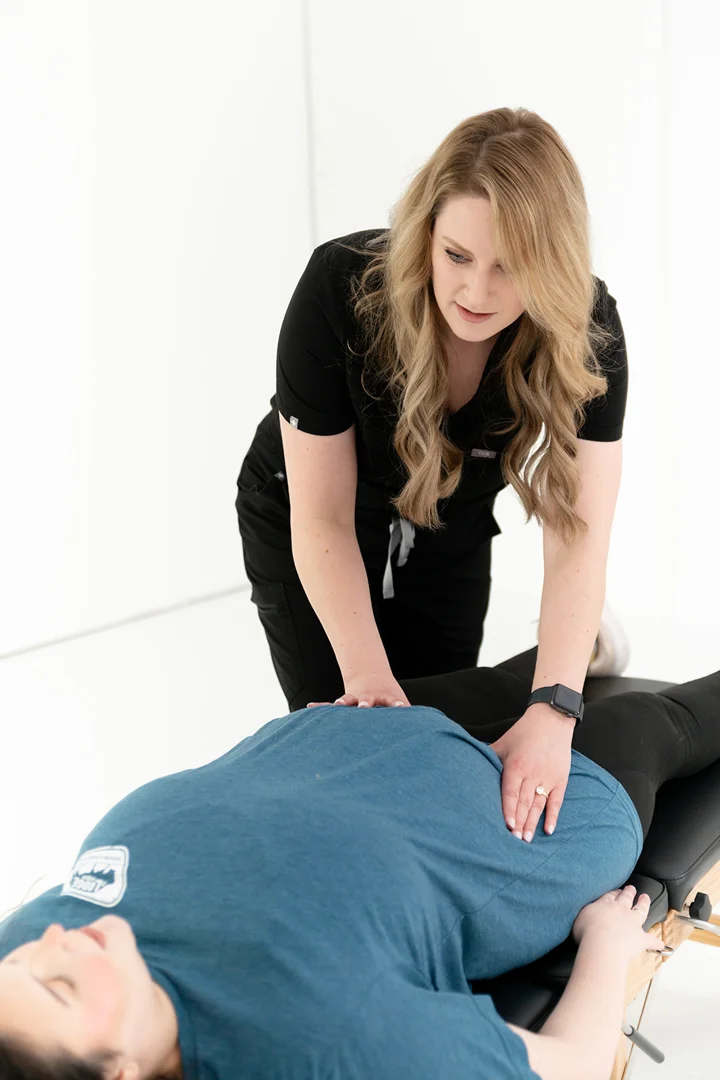
Gentle, specific adjustments help relieve joint restriction and muscular tension along the spine and ribcage, supporting optimal nervous system signaling and allowing your diaphragm to move freely. Learning about safe pregnancy chiropractic adjustments can provide peace of mind for first-time patients seeking non-invasive, conservative comfort.
There are many benefits of prenatal chiropractic care, ranging from enhanced pelvic balance to improved spinal mobility. Discovering what makes prenatal chiropractic different from regular chiropractic care highlights the use of specialized pregnancy pillows, light-touch techniques, and gentle table modifications designed entirely for maternal safety and comfort.
This gentle focus on nervous system balance extends beyond pregnancy. When working with infants and toddlers, pediatric chiropractic care provides gentle support for overall neurological function as little ones reach major developmental milestones like rolling, crawling, and walking. Supporting spinal alignment early on encourages balanced motor development, body awareness, and comfortable posture as your child grows.
At Magnolia Chiropractic, we are passionate about providing thoughtful, unhurried care for growing families. If you are looking for gentle, evidence-informed support throughout your pregnancy journey, connect with our team and schedule an appointment with a prenatal chiropractor in Norman, OK. We are here to help you feel supported, balanced, and at ease every step of the way.
