
The Ins and Outs of What Makes Prenatal Chiropractic Different From Regular Chiropractic Care
How Prenatal Chiropractic Care Is Different From What Most People Expect
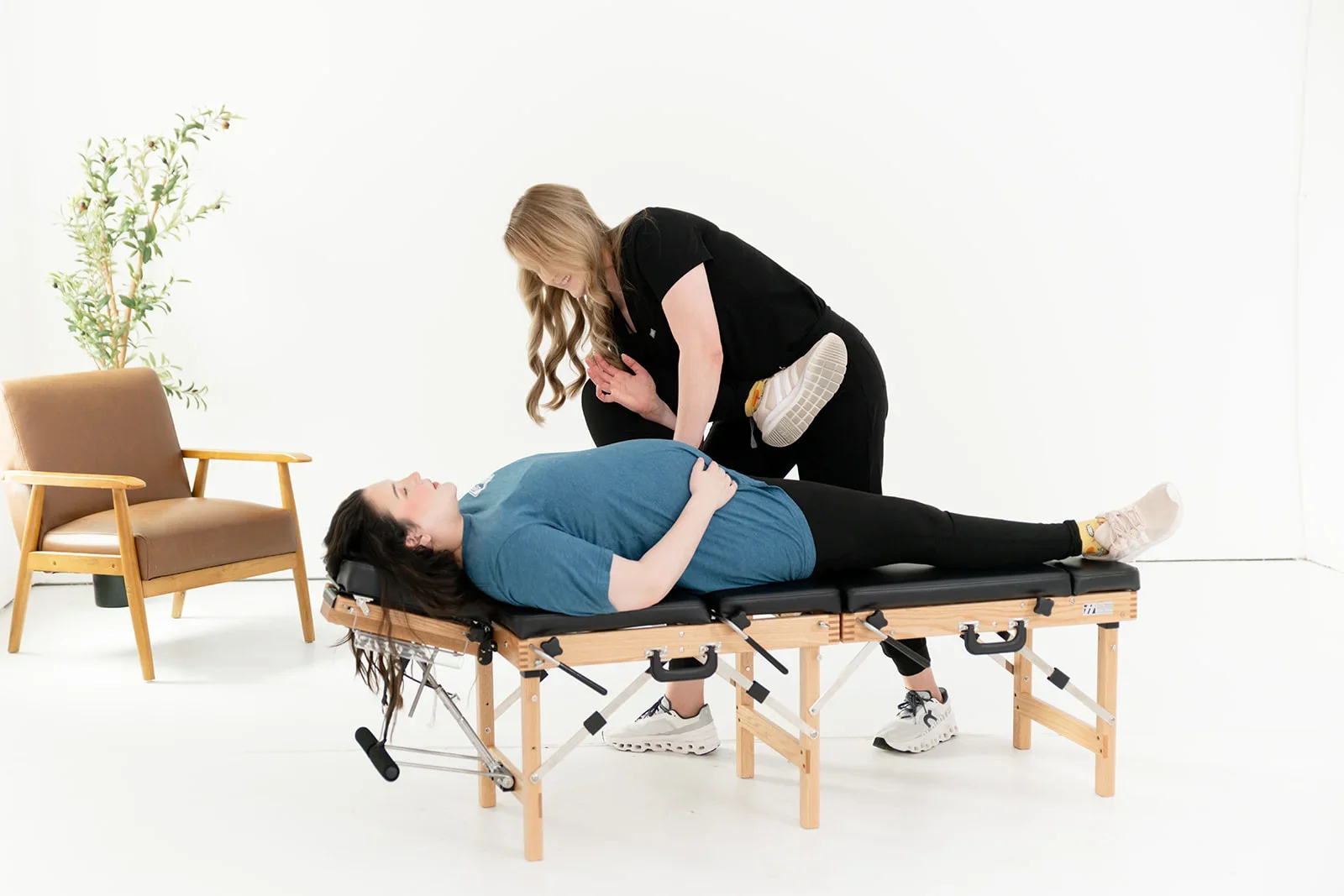
What makes prenatal chiropractic different from regular chiropractic care comes down to three core things: specialized techniques, modified equipment, and a pregnancy-specific focus on pelvic balance and nervous system support.
Here's a quick summary:
| Feature | Regular Chiropractic | Prenatal Chiropractic |
|---|---|---|
| Primary focus | Spine and general musculoskeletal pain | Pelvis, sacrum, and pregnancy-related alignment |
| Techniques used | Standard manual adjustments | Webster Technique, gentle low-force methods |
| Table setup | Standard adjustment table | Drop-away sections, pregnancy pillows, side-lying positions |
| Force applied | Standard amplitude | Reduced, gentler pressure throughout all trimesters |
| Positioning | Prone (face-down) common | possible prone positioning with pregnancy pillows and chiropractic table alterations; adapted for growing belly |
| Hormonal context | Not a primary consideration | Accounts for relaxin and ligament loosening |
| Collaborative care | Generally independent | Often coordinated with OB-GYN or midwife |
Pregnancy changes your body in ways that go well beyond a visible bump. Your center of gravity shifts forward. The hormone relaxin loosens your ligaments. Your pelvis widens to prepare for birth. These changes place new demands on your spine and joints — demands that require a different kind of care than what a standard chiropractic visit is designed to address.
That's where prenatal chiropractic steps in. It's not just regular chiropractic with minor tweaks. It's a thoughtful, adapted approach built around what your body is actually going through.
I'm Dr. Leah Bagg, a chiropractor with specialized training through the International Chiropractic Pediatric Association (ICPA) and Spinning Babies, and understanding what makes prenatal chiropractic different from regular chiropractic care is at the heart of how I work with expecting mothers every day at Magnolia Chiropractic. In the sections ahead, we'll walk through exactly how prenatal care differs — from the techniques and tools used, to how it supports your body through each trimester and beyond.
What Makes Prenatal Chiropractic Different From Regular Chiropractic Care
To truly understand What Makes Prenatal Chiropractic Different From Regular Chiropractic Care, we have to look at the unique physical and physiological transformation a mother's body experiences over 40 weeks.
In a standard chiropractic setting, patients typically seek care for localized issues like spinal misalignments, postural fatigue, or acute injuries. In contrast, prenatal chiropractic is designed around dynamic, rapid biomechanical shifts.
As your baby grows, your body's center of gravity shifts forward, increasing the curve in your lower back (lumbar lordosis) by an average of 4.7 degrees. This shift places a heavy mechanical load on your lumbar spine and sacroiliac (SI) joints.
Simultaneously, hormonal changes alter how your structural system behaves. The hormone relaxin peaks during the first trimester (specifically around weeks 10 to 14) and remains elevated to allow the pelvis to widen and stretch. While relaxin is essential for birth, it also loosens the ligaments supporting your joints, which can lead to joint instability, pelvic misalignment, and compensatory muscle tension.
Rather than focusing solely on spinal joint mobility, a prenatal chiropractor focuses heavily on pelvic alignment and nervous system function. Ensuring the pelvis is balanced helps the nervous system adapt to these rapid changes, allowing your body to carry the pregnancy with greater ease.
The Foundations: How Pregnancy Shifts the Focus of Chiropractic Care
When we look at the foundations of care, prenatal visits prioritize structural adaptation and structural preservation over standard spinal maintenance. In general chiropractic care, an adjustment might involve manual, high-velocity thrusts to restore motion to restricted spinal segments. During pregnancy, however, the presence of relaxin means your joints are already highly mobile. Applying standard force to hypermobile joints can cause further irritation.
Therefore, prenatal care requires significant force modification. We use highly specific, low-amplitude adjustments that respect the laxity of your ligaments. We focus on stabilizing the structures supporting your uterus, pelvis, and spine rather than simply trying to "crack" or mobilize joints.
By understanding the unique physical demands of pregnancy, we can support your body's natural alignment. This specialized focus is why so many women seek out these visits; the structural support helps manage the daily physical transitions of pregnancy. To learn more about how these adjustments support your changing body, you can read about the Benefits of Prenatal Chiropractic Care.
The Webster Technique: A Specialized Approach to Pelvic Balance
Perhaps the most significant clinical distinction in prenatal care is the use of the Webster Technique. While standard chiropractic care addresses overall spinal health, the Webster Technique is a specific sacral analysis and adjustment protocol designed specifically for pregnant women.
Developed by Dr. Larry Webster, this technique focuses on reducing sacral subluxation and sacroiliac joint dysfunction. By gently correcting misalignments in the sacrum and balancing the surrounding pelvic muscles and ligaments (including the round ligaments and uterosacral ligaments), we help restore pelvic symmetry.
When the pelvis is misaligned, it can cause tension in the supporting uterine ligaments, a state often referred to as intrauterine constraint. This tension can restrict the space available for your developing baby. By establishing pelvic balance, the Webster Technique helps optimize pelvic space, allowing your baby the room they need to move into the best possible position for birth.
It is important to note that the Webster Technique is not a "baby-turning" procedure. Chiropractors do not manually move or manipulate the baby. Instead, we focus on the mother's pelvic balance. According to a landmark study, there is an 82% success rate of babies turning to the vertex (head-down) position naturally once pelvic balance is restored and constraint is removed.
To explore this specialized adjustment in detail, you can read our guide on Webster Technique 101. Understanding this approach also highlights how pelvic alignment relates to your pelvic floor muscles, which you can read about in Pelvic Floor Chiropractic.
Tailored Equipment and Gentle Techniques for Expectant Mothers

A regular chiropractic table is flat and requires you to lie flat on your stomach (prone) or flat on your back (supine). As your pregnancy progresses, lying prone becomes impossible, and lying flat on your back can compress the vena cava, reducing blood flow to both you and your baby.
What makes prenatal chiropractic highly comfortable is the use of tailored equipment and positioning:
- Drop-Away Tables: Specialized chiropractic tables feature sections that can be lowered, creating a comfortable space to accommodate your growing belly so you can safely lie face-down.
- Pregnancy Pillows: Ergonomically designed cushions support your hips, belly, and breasts, taking all pressure off your abdomen.
- Side-Lying Positions: Many adjustments can be performed while you lie comfortably on your side, supported by pillows.
In addition to modified equipment, we utilize gentle, light-force techniques. Rather than manual twisting maneuvers, we often use the Activator Method, which utilizes a small, hand-held instrument to deliver a gentle, precise adjustment without any cracking or popping. We also use the Sacro Occipital Technique (SOT), which employs gentle wedge-shaped blocks placed under the pelvis. By utilizing your own body weight and gravity, SOT gently coaxes the pelvis back into alignment without any sudden force. These methods ensure there is absolutely no abdominal pressure, keeping you and your baby safe and relaxed.
Easing Discomfort and Preparing Your Body for Birth
Prenatal chiropractic care is highly effective at managing common pregnancy symptoms while preparing your body for a smoother labor and delivery.
| Pregnancy Concern | How Prenatal Chiropractic Helps |
|---|---|
| Low Back & Pelvic Pain | Alleviates joint stress caused by your shifting center of gravity and increased lumbar curve. |
| Sciatica | Relieves pressure on the sciatic nerve by correcting pelvic and deep gluteal misalignments. |
| Nausea & Heartburn | Optimizes nervous system function and spinal alignment, which can help regulate digestion. |
| Round Ligament Pain | Gently releases tension in the uterine ligaments to prevent sharp, pulling sensations. |
| Labor Preparation | Opens and balances the pelvis to support efficient uterine contractions and baby descent. |
Many expecting mothers experience significant relief from Pregnancy Related Back Pain and sciatica, which are incredibly common as pelvic pressure increases.
Additionally, keeping your spine and pelvis aligned has a direct impact on your birth experience. Studies have shown that first-time mothers who received regular chiropractic care during pregnancy experienced a 24% decrease in labor time, while experienced mothers showed a 39% reduction in labor and delivery time. Furthermore, adjusted mothers showed a 50% decreased need for pain medications during delivery. If you are looking for specialized care in the OKC metro, finding a qualified prenatal chiropractor can make a substantial difference in your comfort. You can also read more details on How Chiropractic Care May Help Shorten Labor and Delivery Time.
Navigating Safety, Trimesters, and Collaborative Care
A common question among expecting mothers is whether chiropractic care is safe during the first trimester. The answer is yes. In fact, starting care early in your pregnancy helps establish a foundation of pelvic balance before rapid weight gain and postural changes begin.
Prenatal chiropractic is a highly safe, non-invasive, and drug-free option throughout all three trimesters. However, we always respect clinical boundaries. While there are no known contraindications to chiropractic care during a normal, healthy pregnancy, we screen for relative and absolute contraindications, such as preeclampsia, placenta previa, ectopic pregnancy, or moderate to severe vaginal bleeding.
We believe the best care is collaborative. We encourage our patients to keep their OB-GYNs or midwives informed, and we routinely communicate with local obstetric providers to ensure a seamless, supportive care plan tailored to your needs.
Restoring Balance: Postpartum Recovery and Supporting Your Baby's Early Milestones
Our support doesn't end when your baby arrives. The postpartum period introduces a new set of physical demands, from bending over cribs and carrying car seats to nursing postures.
Postpartum chiropractic care focuses on pelvic rebalancing, helping your ligaments tighten up evenly as relaxin levels return to normal. It also helps restore proper spinal curves and supports your body as you rebuild core strength. You can find out more about this transition by reading about Chiropractic Care Postpartum Recovery and how to How to Rebuild Core Strength Safely After Pregnancy.
Additionally, we love supporting your new baby's wellness. The birth process can place structural stress on a newborn's delicate spine. Gentle pediatric adjustments use no more pressure than you would use to test the ripeness of a tomato. In a large observational study of over 2,000 infants, 82% of mothers reported significant improvements in their infants' general well-being—including better sleep, easier latching, and reduced colic—after receiving gentle chiropractic care. As your child grows, gentle pediatric care supports their nervous system through major developmental milestones like rolling, crawling, and taking those first steps.
Supporting Your Journey: Choosing the Right Care for Pregnancy and Beyond
When choosing a prenatal chiropractor, it is important to look for specific credentials. Ensure your provider is certified in the Webster Technique and has advanced training through the International Chiropractic Pediatric Association (ICPA), which provides additional education focused on prenatal and pediatric chiropractic care.
At Magnolia Chiropractic in Norman, OK, we provide patient-centered, gentle chiropractic care tailored to your unique prenatal, pediatric, and family needs. We believe in providing thorough explanations and evidence-based, individual care plans, ensuring you never feel rushed or subjected to a one-size-fits-all approach.
If you are ready to support your body through pregnancy, prepare for birth, or find postpartum relief, we are here to walk alongside you. You can learn more or schedule a visit by exploring our services for a Prenatal Chiropractor Norman OK.
