
Introduction: The Cyclical Link Between Hormones and Musculoskeletal Pain
Many women find that their monthly cycle brings more than just routine abdominal cramping. A dull ache in the lower back, tightness deep within the hips, or discomfort wrapping around the pelvis can make simple daily activities feel heavy. Approximately 75% of women in their reproductive years experience menstrual discomfort, and for a vast majority, this pain isn't confined to the midsection.
When our hormones shift, every structure in the pelvis responds. The joints, muscles, and ligaments supporting your spine and pelvis are closely tied to the reproductive organs through shared nerve pathways and blood flow. Recognizing these cyclical patterns gives you clarity, helping you address the root causes of monthly discomfort with confidence and ease.
How and Why Can Your Menstrual Cycle Affect Your Back and Hip Pain?
To understand the relationship between pelvic anatomy, hormonal shifts, and spinal comfort, we have to examine how the nervous and musculoskeletal systems interact. Can your menstrual cycle affect your back and hip pain? The direct answer is yes: reproductive structures share intricate nerve pathways and connective tissue networks with your lower back and pelvis, meaning monthly hormonal fluctuations regularly register as musculoskeletal tension.
Prostaglandins, Hormones, and Referred Nerve Pathways
The main chemical drivers behind menstrual cramps are compounds called prostaglandins. Right before your period begins, the uterine lining produces prostaglandins to help the uterus contract and shed its lining. When these compounds are elevated, they do not stay entirely localized; they promote inflammation in surrounding tissues as well.
Because internal organs do not have pinpoint nerve mapping, your brain often perceives pain from the uterus as coming from the lower back, sacrum, hips, or thighs. This phenomenon is known as referred pain. Several major nerves—such as the obturator, ilioinguinal, and iliohypogastric nerves—pass right alongside pelvic reproductive structures. When uterine inflammation peaks, these nerves send pain signals into nearby musculature.
Understanding why lower back and leg pain occurs during periods helps explain why surrounding muscles tighten defensively. In response to internal discomfort, the hip flexors, piriformis, and pelvic floor naturally contract to protect the area. This protective muscle guarding creates tension across the sacroiliac joints, often highlighting the important pelvic floor connection that influences how our hips and lower back move.
Primary vs. Secondary Dysmenorrhea: Understanding Symptom Severity
Menstrual pain generally falls into two clinical categories:
- Primary Dysmenorrhea: Typical menstrual cramping without an underlying structural disease. It is directly driven by prostaglandins, typically begins shortly before bleeding starts, peaks on the first day, and resolves within 48 to 72 hours.
- Secondary Dysmenorrhea: Pain caused by an underlying reproductive condition, such as endometriosis, adenomyosis, or uterine fibroids. This discomfort often lasts longer, worsens over time, and can cause significant structural and musculoskeletal challenges.
| Characteristic | Primary Dysmenorrhea | Secondary Dysmenorrhea |
|---|---|---|
| Typical Cause | Prostaglandin production in healthy tissue | Endometriosis, fibroids, adenomyosis |
| Onset | Hours to 1 day before flow starts | Several days before flow; may last all month |
| Duration | 1–3 days, resolving with flow | Extends through and beyond menstruation |
| Pain Quality | Cramping, dull ache in lower back/hips | Sharp, stabbing, deep ache, radiating pain |
| Response to Self-Care | Usually improves with heat and gentle movement | Often resistant to standard home remedies |
When conditions like endometriosis are present, endometrial-like tissue can implant on pelvic ligaments or near major nerves. This can cause deep hip tension and nerve pain reminiscent of sciatica and pelvic nerve irritation. Because secondary dysmenorrhea often involves substantial diagnostic delays, tracking your symptom timeline is an invaluable step toward getting targeted medical support.
Athletic Performance: Managing Discomfort During Training
For active women and athletes, cycle-related musculoskeletal changes can alter how workouts feel. In a cross-sectional study evaluating student-athletes, 86.09% experienced abdominal discomfort, while 66.09% reported lower back pain during menstruation (Mustar et al., 2024). Furthermore, 95.33% experienced pain on the first day of their period, with over 70% reporting a perceived drop in training and competition performance (Mustar et al., 2024).
Hormonal shifts also alter soft tissue elasticity. Peaks in estrogen prior to ovulation can increase ligamentous laxity, temporarily shifting how stability is distributed across the core, pelvis, and hips. However, studies measuring runners with wearable gait sensors found that running biomechanics and impact forces remain remarkably steady across symptomatic and asymptomatic cycle days (Golden et al., 2025). While fatigue and discomfort are genuine, your body remains mechanically capable. Modifying training intensity to prioritize core control and mobility on high-symptom days helps you stay active without straining the lower back or hips.
Effective Relief Strategies, Movement, and When to Seek Care
Managing cycle-related back and hip pain involves calming systemic inflammation, relaxing protective muscle spasms, and maintaining balanced joint alignment.
Targeted Stretches, Heat Therapy, and Lifestyle Habits
A combination of gentle movement, soothing heat, and supportive habits can significantly dial down monthly back and hip tension:
- Cat-Cow Stretch: Moving smoothly between spinal flexion and extension gently mobilizes the lumbar vertebrae and pelvis, releasing low-back tightness.
- Child’s Pose (Balasana): Widening the knees while sitting back toward your heels gently decompresses the sacrum and opens tight hip capsules.
- Kneeling Hip Flexor Stretch: Tucking your pelvis under while lunging gently opens the psoas muscle, which often tightens in response to uterine cramping.
- Heat Application: Applying a warm heating pad or soaking in a warm bath increases local blood circulation and relaxes tense abdominal and spinal muscles.
- Nutritional Support: Focusing on whole, anti-inflammatory foods and staying hydrated prevents cramping from compounding. Many find value in discussing magnesium or vitamin B supplementation with their healthcare provider to support muscle relaxation.
- Calming the Nervous System: Stress amplifies pain perception. Practices like deep diaphragmatic breathing help restore optimal nervous system balance, lowering muscle guarding throughout the pelvic bowl.
Clinical Red Flags and Professional Care Options
While mild-to-moderate low back aching during the first day or two of a period is common, severe or progressive pain is not something you have to simply tolerate. It is important to consult a healthcare professional if you experience:
- Pain so severe that it prevents you from working, attending school, or walking comfortably.
- Pain that lasts longer than several days or occurs continuously throughout your entire cycle.
- Neurological signs, including progressive numbness, tingling, or weakness running down your legs.
- Pelvic pain accompanied by fever, unusual discharge, or severe gastrointestinal distress.
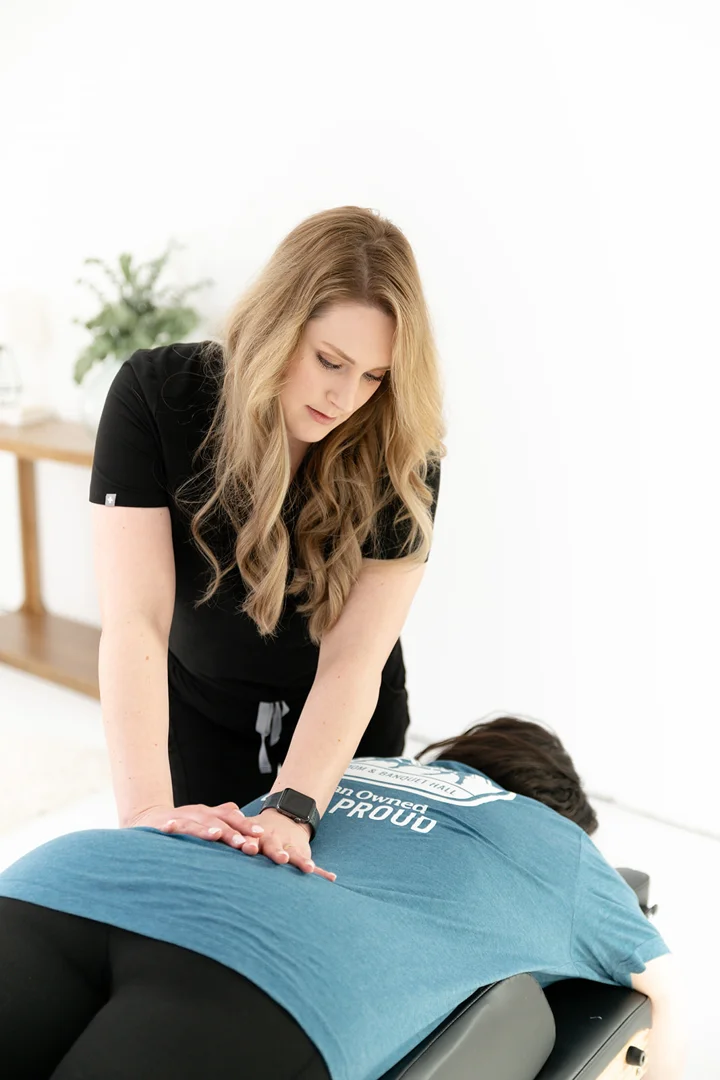
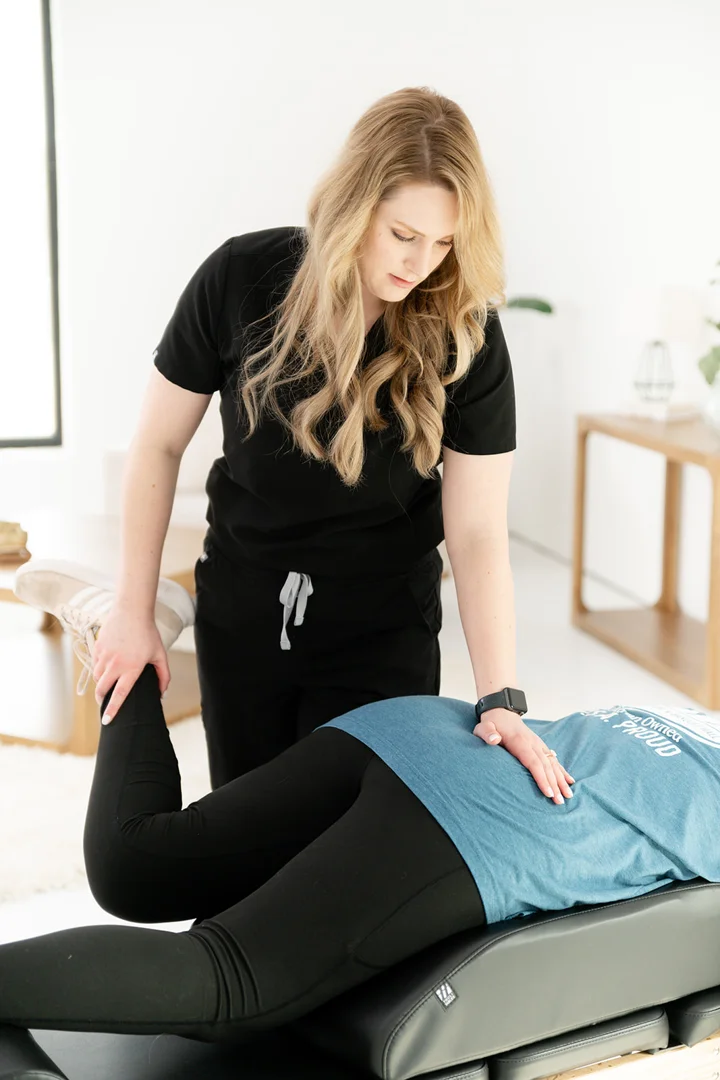
When musculoskeletal imbalances contribute to your discomfort, gentle chiropractic care provides valuable support. At Magnolia Chiropractic in Norman, OK, we take a thoughtful, individualized approach to musculoskeletal health. Addressing joint restrictions and pelvic alignment—such as unresolved sacroiliac joint pelvic girdle pain—helps reduce unnecessary strain on surrounding muscles and nerves.
Whether you are navigating cycle-related hip stiffness or seeking specialized prenatal and pelvic chiropractic care, our goal is to provide supportive, evidence-based care tailored to your unique needs. By pairing lifestyle modifications, medical insights, and gentle spinal support, you can experience lasting comfort throughout every phase of your cycle.
References
Yetty Septiani Mustar, Bayu Agung Pramono, Febby Alfu Khoirun Nissa, Indra Himawan Susanto, Anna Noordia, Dita Yuliastrid. "Determining the Impact of Menstrual Cycle on Collegiate Athletes: Self-reported Health Issues, Sports Performance, and Willingness to Discuss Regarding Menstruation." Physical Education Theory and Methodology, 2024. DOI 10.17309/tmfv.2024.4.03. Dana Golden, Erin M. Moore, Art Weltman, Siobhan Statuta, Jay Hertel. "Gait Biomechanics Among Female Endurance Runners: Comparing Days With and Without Menstrual Cycle–Related Symptoms." Journal of Athletic Training, 2025. DOI 10.4085/1062-6050-0634.24.
