
Why Tummy Time Matters for Your Baby’s Development
Why Tummy Time Matters for Your Baby's Development
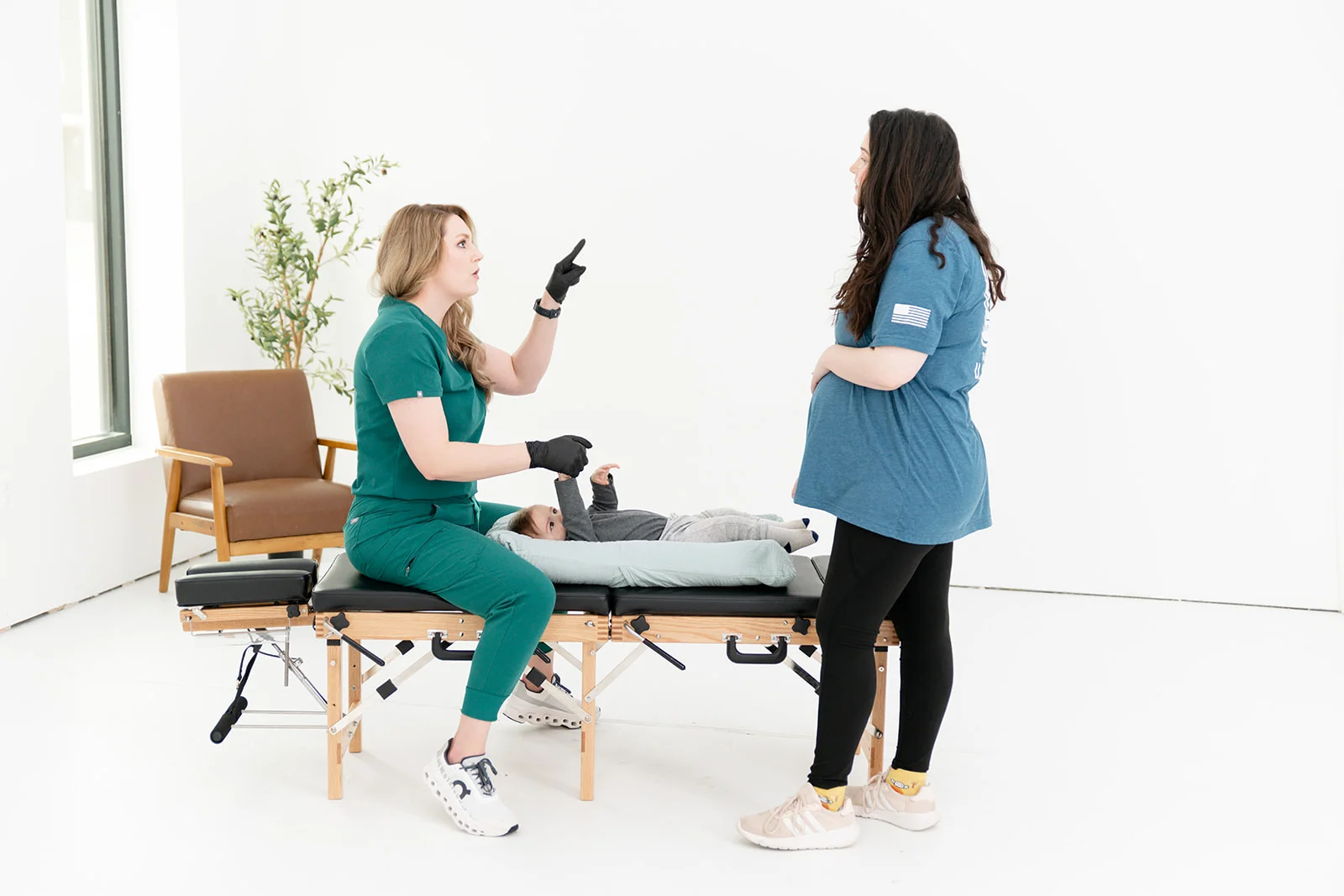
Tummy time is supervised, awake play on your baby's belly. It helps build the neck, shoulder, arm, and core strength needed for head control, rolling, sitting, crawling, and other early movement skills. It also takes pressure off the back of the head, which can help lower the risk of flat spots and support healthy neck movement.
Start with a few short sessions when your newborn is alert, such as after a diaper change. A firm floor mat, your chest, or your lap can work well. Back to sleep, tummy to play: never use tummy time for sleep, and stay with your baby throughout the session.
I'm Leah Bagg, a chiropractor with advanced training in infant and pediatric soft-tissue techniques who supports families through early development. In this guide to Why Tummy Time Matters for Your Baby's Development, I'll share practical, gentle ways to make this daily practice safer and easier for you and your baby.
Why Tummy Time Matters for Your Baby’s Development: Physical and Neurological Benefits
When your baby rests on their tummy while awake, they are not just looking around—they are engaging in an intricate full-body workout. Prone play initiates essential neuromuscular pathways that allow the brain and body to communicate efficiently. As your infant works against gravity, their body establishes the functional posture and spinal alignment needed for every major physical milestone ahead.
Understanding how chiropractic care supports your baby's development and milestones often starts right here on the mat. By encouraging symmetrical muscle engagement and healthy movement patterns early on, we help babies build the coordination they need for future gross motor accomplishments.
Core Strength and Motor Milestones: Why Tummy Time Matters for Your Baby’s Development
During the newborn stage, an infant's head makes up a significant portion of their total body weight. Lifting that heavy head requires coordinated effort from the cervical extensor muscles in the neck, the shoulder girdle, and the stabilizing muscles along the back. According to the Cleveland Clinic guide on tummy time benefits, these early floor exercises build the muscular foundation that leads directly to pushing up on forearms, rolling over, and sitting upright.
As babies push up onto their hands, they begin developing the primary secondary spinal curve: the cervical lordosis in the neck, followed by the lumbar curve in the lower back. These natural curves are vital for upright posture, independent sitting, and crawling mechanics. When families ask what pediatric chiropractic is and why spinal alignment matters so early, we explain that spinal joint mobility directly influences how smoothly a baby transitions from lying prone to creeping, crawling, and eventually walking.
Preventing Plagiocephaly, Torticollis, and Postural Strain
Since the introduction of the vital "Back to Sleep" campaign by the American Academy of Pediatrics, the rate of sudden infant death has dropped dramatically. However, spending prolonged hours on their backs in cribs, car seats, and swings has led to an increase in positional skull flattening. Practicing the Safe to Sleep tummy time guidelines relieves constant pressure on the soft cranial bones, allowing the head to form naturally and symmetrically.
When an infant prefers looking in only one direction, it can signal congenital or positional torticollis—a tightness in the sternocleidomastoid neck muscle. Regular, varied tummy play encourages babies to turn their heads toward sounds and visual targets in both directions. Parents exploring ways of managing flat head syndrome with chiropractic support find that gentle soft-tissue balance helps relieve neck tension. Identifying these signs of birth tension early prevents compensation patterns that can make tummy time uncomfortable.
Sensory Integration and Vestibular System Growth: Why Tummy Time Matters for Your Baby’s Development
Tummy time stimulates far more than muscles; it is a rich neurological experience. When a baby changes head positions in relation to gravity, fluid shifts inside the inner ear, stimulating the vestibular system. This system is the brain's internal compass for balance, spatial awareness, and body coordination.
At eye level on the floor, infants also develop binocular vision and visual tracking as they scan toys and faces. Bare hands and feet contacting different textured mats provide tactile input that refines the nervous system. Learning how chiropractic care supports kids with sensory processing differences highlights how foundational early vestibular and sensory integration is for emotional regulation, calm sleep, and lifelong motor planning.
Practical Tummy Time Progression, Troubleshooting, and Pediatric Care
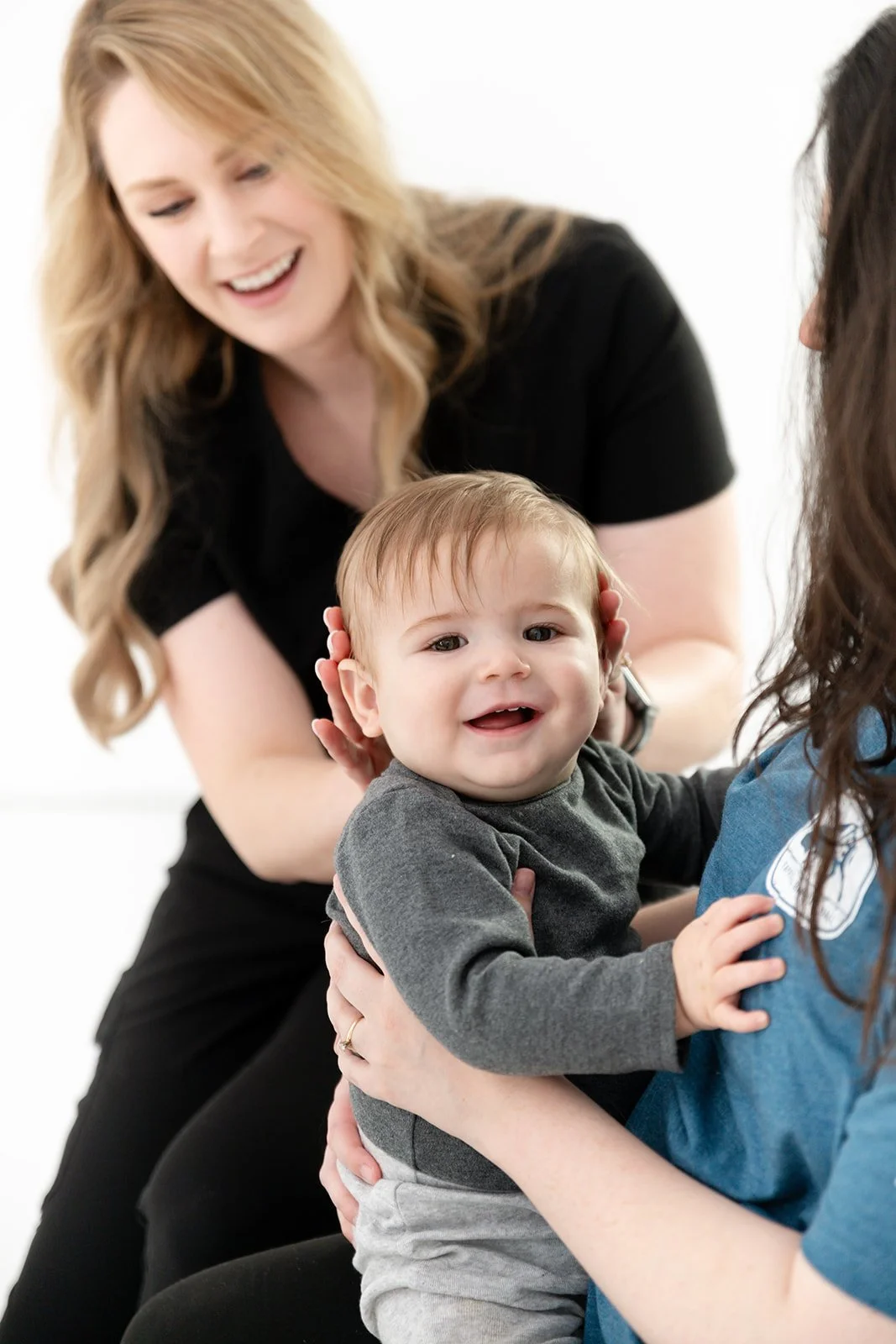
Building a consistent routine does not require long, stressful sessions. By breaking tummy time into tiny, joyful moments throughout the day, you help your baby build endurance without feeling overwhelmed.
Age-by-Age Guide: When to Start, Daily Duration, and When to Stop
Tummy time can begin the day you bring your newborn home from the hospital. Start small and build gradually as your baby grows stronger and more alert.
| Age Stage | Target Daily Duration | Recommended Frequency | Primary Milestone Focus |
|---|---|---|---|
| Newborn (0–1 Month) | 1–5 minutes total | 2–3 short sessions/day | Momentary head lifts; chin clearing mattress |
| 1–2 Months | 15–30 minutes total | 3–4 sessions/day | Lifting head 45 degrees; brief side-to-side turning |
| 3–4 Months | 30–60 minutes total | 4–6 sessions/day | Pushing up on forearms; stable 90-degree head lift |
| 5–6+ Months | 60–90+ minutes total | Spread throughout awake play | Pushing onto straight arms; rolling both ways; pivoting |
Structured tummy time sessions can naturally wind down once your baby rolls freely in both directions, pushes up onto hands and knees, and sits independently (usually around 6 to 7 months). At that point, natural floor exploration takes over.
Safe Positions, Fun Techniques, and What to Do If Your Baby Hates It
If your baby grunts or fusses the moment their belly hits the floor, you are not alone. Gravity is hard work! You can use several comfortable variations to make tummy play enjoyable:
- Chest-to-Chest: Recline comfortably on a couch or bed and place your baby tummy-down on your chest. Making eye contact and speaking soothingly provides comfort while encouraging head lifting.
- Lap Positioning: Lay your baby across your thighs, placing one hand gently on their bottom to help them feel secure.
- The Football Carry: Hold your baby face-down along your forearm, supporting their chest in your hand while cradling their hips against your body.
- Chest Prop: Place a small rolled washcloth or breastfeeding pillow under their upper chest to elevate their shoulders and free their arms.
- Visual Engagement: Place unbreakable floor mirrors, high-contrast black-and-white cards, or musical toys 12 to 18 inches in front of them. The helpful developmental videos from Pathways.org offer wonderful visual examples of these gentle setups.
- Side-Lying Play: Lay your baby on their side, supported by a rolled blanket behind their back, allowing their hands to meet in the midline without battling gravity.
Addressing Physical Tension, Cranial Alignment, and Developmental Red Flags
While brief fussing is normal, extreme distress, arching backwards like a bow, rolling exclusively to one side, or an inability to lift the head by 3 months warrants closer evaluation. Physical discomfort during tummy time is frequently tied to underlying tension from birth positioning.
Addressing these patterns is similar to resolving infant latch issues with chiropractic, where gentle releases in the cranial bones, neck, and upper back restore ease of movement. If your baby resists floor play or exhibits persistent head tilt, a pediatrician evaluation paired with an assessment at Magnolia Chiropractic can help uncover structural restrictions.
Our team specializes in gentle, patient-centered pediatric chiropractic care in Norman OK. We take the time to listen, explain every step thoroughly, and use light-touch techniques to help your baby move comfortably through every developmental milestone.
