
Recognizing Pubic Symphysis Pain During Pregnancy
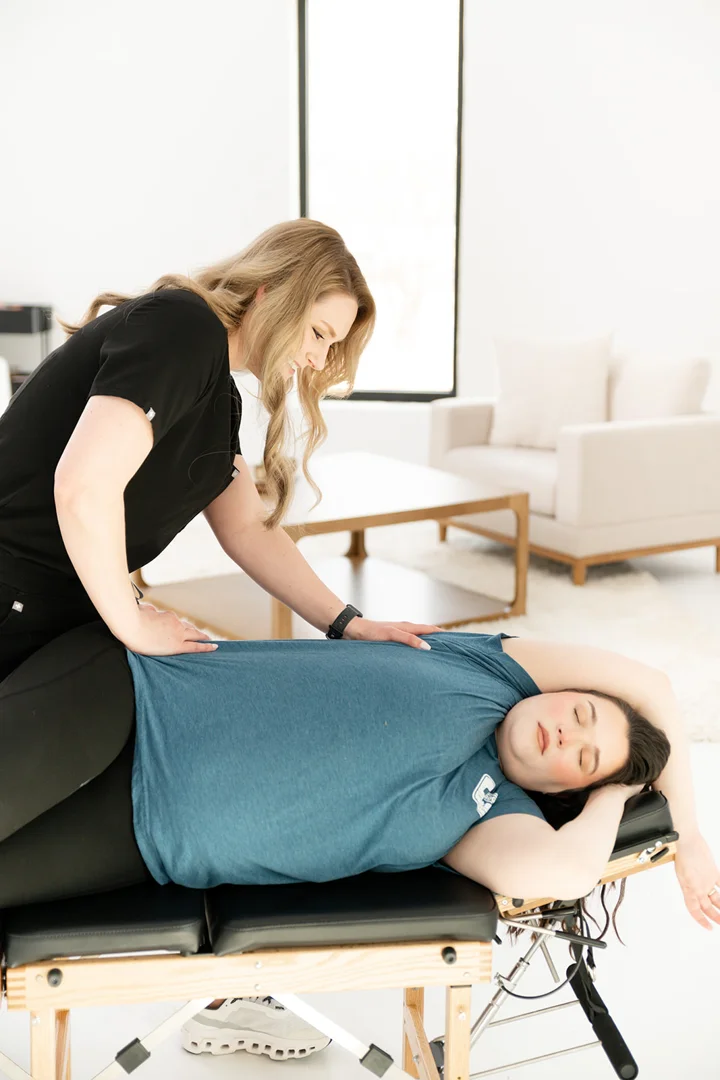
Pubic Symphysis Dysfunction in Pregnancy: Symptoms, Causes & Relief begins with pain at the front of the pelvis, where the two pubic bones meet. It may feel sharp, aching, clicking, or unstable, and often gets worse when walking, climbing stairs, getting out of a car, standing on one leg, or turning over in bed.
Pregnancy-related pelvic girdle pain, which includes pain at the pubic symphysis, affects about 1 in 4 pregnant people. Hormones such as relaxin help loosen pelvic ligaments for birth, but added weight, posture changes, and uneven stress across the pelvis can make the joint painful.
Early support can make daily life more manageable:
- Ask your OB, midwife, or pelvic health physical therapist about an evaluation.
- Use a pelvic support belt if your provider recommends one.
- Keep movements small and even. Sit to get dressed, keep your knees together when getting in and out of bed or a car, and avoid painful wide-leg positions.
- Sleep on your side with a pillow between your knees and lower legs.
SPD is painful, but it does not harm your baby, and most people improve after delivery with the right care and pacing.
I’m Leah Bagg, a chiropractor with additional training in pregnancy and family care, including education through the ICPA and Spinning Babies. In this guide I’ll help you understand what may be causing your pain and the conservative options that can support more comfortable movement.
Pubic Symphysis Dysfunction in Pregnancy: Symptoms, Causes & Relief
The pubic symphysis is a firm, cartilaginous joint located at the front midline of your pelvis, connecting your left and right pubic bones. Under normal, nonpregnant circumstances, this joint allows almost imperceptible movement—typically just 1 to 2 millimeters—and the gap between the bones measures roughly 4 to 5 mm.
During gestation, natural biochemical shifts soften the dense fibrocartilage and surrounding ligaments to prepare the birth canal for delivery. By the third trimester, the joint typically widens by 2 to 3 mm, expanding the total physiological gap to approximately 7 mm (NBK537043).
While this expansion is entirely normal, biomechanical instability occurs when the joint moves unevenly or becomes irritated under load. If separation exceeds 10 mm (1 cm), it enters the realm of postpartum pubic symphysis diastasis, a more pronounced separation that requires structured clinical support (NBK537043).
Identifying Diagnostic Signs and Discomfort Patterns
Pubic symphysis dysfunction (SPD) presents with distinct mechanical patterns. The hallmark sign is localized, tender pain directly over the front pubic bone, often accompanied by a clicking, popping, or grinding sensation during weight transfers. The discomfort frequently radiates down the inner thighs, into the groin, or across the lower abdomen.
Because pregnancy alters overall alignment, SPD frequently coincides with SI joint & pelvic girdle pain in late pregnancy. Providers assess SPD through physical evaluation, noting tenderness along the joint line, a waddling gait, a positive Trendelenburg sign, or pain during the Minimal Active Trigger (MAT) test.
| Condition | Primary Pain Location | Typical Triggers | Key Sensations |
|---|---|---|---|
| Pubic Symphysis Dysfunction (SPD) | Front center pelvis, groin, inner thighs | Rolling in bed, stairs, single-leg stance | Sharp, aching, clicking, or grinding |
| Round Ligament Pain | Lower abdomen, sides of bump, groin crease | Sudden turns, coughing, standing quickly | Brief, sharp jabbing or pulling spasm |
| Sciatica / Lumbar Irritation | Lower back, glute, radiating down posterior leg | Prolonged sitting, forward bending | Burning, tingling, shooting nerve path |
Root Biomechanical Factors and Causes of Pelvic Instability
The primary trigger for SPD is not simply the presence of pregnancy hormones, but how the musculoskeletal framework handles increased elasticity. Relaxin and progesterone surge early in pregnancy, peaking around the end of the first trimester and again near delivery. This hormone surge softens pelvic ligaments, but pain develops when asymmetrical forces place uneven shearing stress on the joint.
Common contributing mechanisms include:
- Asymmetric Pelvic Torque: Uneven tension between the iliac crests and the sacrum tilts the pelvic bowl, straining the anterior pubic joint.
- Adductor Muscle Hypertonicity: The inner thigh muscles attach directly to the pubic bones; when the pelvis destabilizes, these muscles contract chronically to grip the joint together, increasing local strain.
- Pelvic Floor Overactivity: Hypertonic pelvic floor muscles pull unevenly on the pelvic ring.
- Shifting Gravity and Abdominal Load: A growing belly pulls the lumbar spine forward into increased lordosis, contributing to pregnancy related back pain and pushing downward force against the front pelvic arch.
Evidence-Based Relief and Non-Invasive Treatment Options
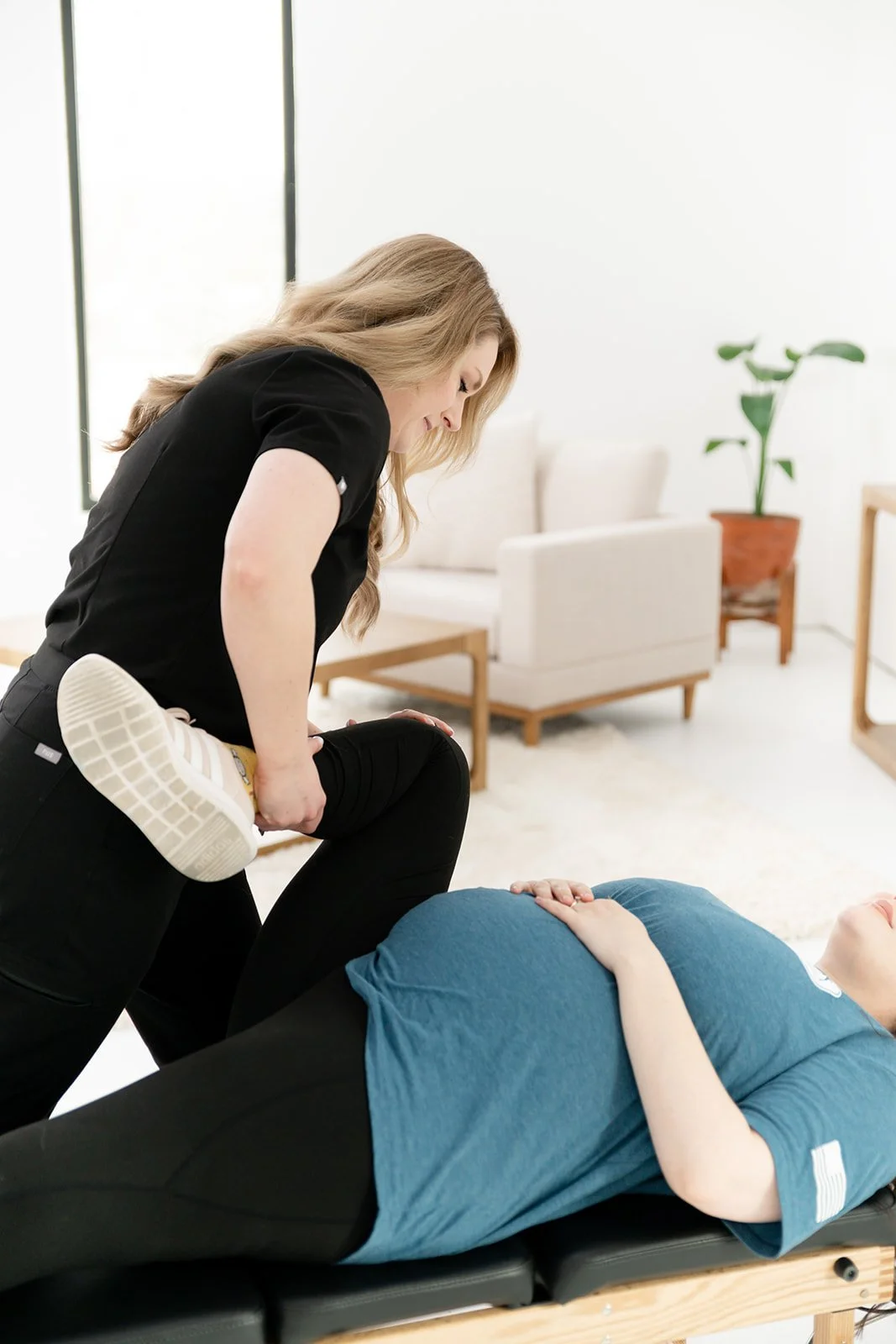
Managing SPD requires restoring symmetry and relieving mechanical tension across the pelvic ring. Research demonstrates that conservative protocols provide substantial comfort and functional recovery (Howell, 2012).
We focus on specific, gentle interventions:
- Pelvic Support Orthotics: Using a targeted sacroiliac joint belt or pelvic binder compresses the pelvic ring, reducing micro-motion at the pubic joint during daily activities.
- Supportive Taping: Kinesiology taping patterns applied across the lower abdomen and pelvis lift abdominal weight off the front joint.
- Gentle Chiropractic Adjustments: Performing safe pregnancy chiropractic adjustments balances the sacrum, hips, and pubic bones. Understanding what makes prenatal chiropractic different from regular chiropractic care helps mothers appreciate the gentle, low-force techniques and specialized pregnancy pillows used to ensure complete comfort.
- Soft-Tissue Therapy & Mobilization: Gentle side-lying mobilizations, pelvic blocking, and muscle release of hypertonic inner thigh adductors relieve traction on the pubic symphysis (Howell, 2012).
Comprehensive Care, Labor Impact, and Postpartum Recovery
Managing pubic joint pain involves daily habits, thoughtful birth planning, and structured postpartum recovery. Complete bed rest is rarely advised; gentle, supportive movement helps prevent deconditioning while promoting joint stability.
Practical Daily Adjustments for Pelvic Comfort
Simple adjustments to your daily routine can reduce mechanical stress on the pubic joint:
- Side-Sleeping with Leg Support: Rest on your side with a firm pillow placed between your knees, ankles, and feet to keep your thighs parallel and prevent hip rotation.
- Keep Knees Together: When turning in bed, engage your core, squeeze your knees together, and roll your entire body as one unit.
- Seated Dressing: Sit down when putting on pants, socks, or shoes to avoid balancing on one leg.
- Car Transfers: Swivel your hips and legs together when entering or exiting a vehicle rather than stepping out one leg at a time.
- Avoid Wide-Stance Strains: Skip deep lateral lunges, wide-leg yoga poses, and pushing heavy items with your feet.
- Gentle Isometrics: Perform seated isometric adductor presses with a soft ball between your knees to help stabilize the inner pelvic musculature safely.
These supportive practices complement the wider benefits of prenatal chiropractic care, helping you maintain comfort and mobility throughout your pregnancy.
Labor Positioning and Postpartum Pelvic Floor Rehabilitation
Having SPD does not mean a cesarean section is mandatory. Most women with pubic symphysis pain experience safe, uncomplicated vaginal deliveries. The key is protecting the joint during labor:
- Track Comfort Ranges: Measure your comfortable pain-free leg separation (distance between knees) while upright before labor, and ensure your delivery team keeps leg abduction within that zone.
- Utilize Asymmetric & Gravity-Neutral Positions: Side-lying labor with a peanut ball between the legs, all-fours positioning, or leaning forward over a birth ball reduces direct pressure on the front pelvic arch.
- Avoid Prolonged Semi-Reclined Lithotomy: Pushing flat on your back with legs pulled back wide can place excess mechanical stress on an unstable pubic joint.
Postpartum, hormonal laxity gradually resolves as relaxin levels decline. For most mothers, symptoms regress significantly within the first 1 to 6 months after birth (Howell, 2012). Engaging in progressive rehabilitation focusing on core endurance, pelvic floor coordination, and gluteal stability will help protect your joints long term.
As your family grows, supporting proper body mechanics remains essential. Just as pelvic stability supports a mother's postpartum recovery, gentle pediatric evaluations can support infants as they reach foundational developmental milestones like rolling, crawling, and walking.
If you are experiencing pelvic discomfort and want compassionate, individualized support, reaching out to a prenatal chiropractor in Norman OK can help restore balance and ease to your pregnancy journey.
References
Howell ER. "Pregnancy-related symphysis pubis dysfunction management and postpartum rehabilitation: two case reports.." The Journal of the Canadian Chiropractic Association, 2012. PMCID PMC3364059. NBK537043.
