
Growing Pains in Kids: What’s Normal and When Should You Be Concerned?
Nighttime Leg Pain in Kids: What Is Normal and When to Get Help?
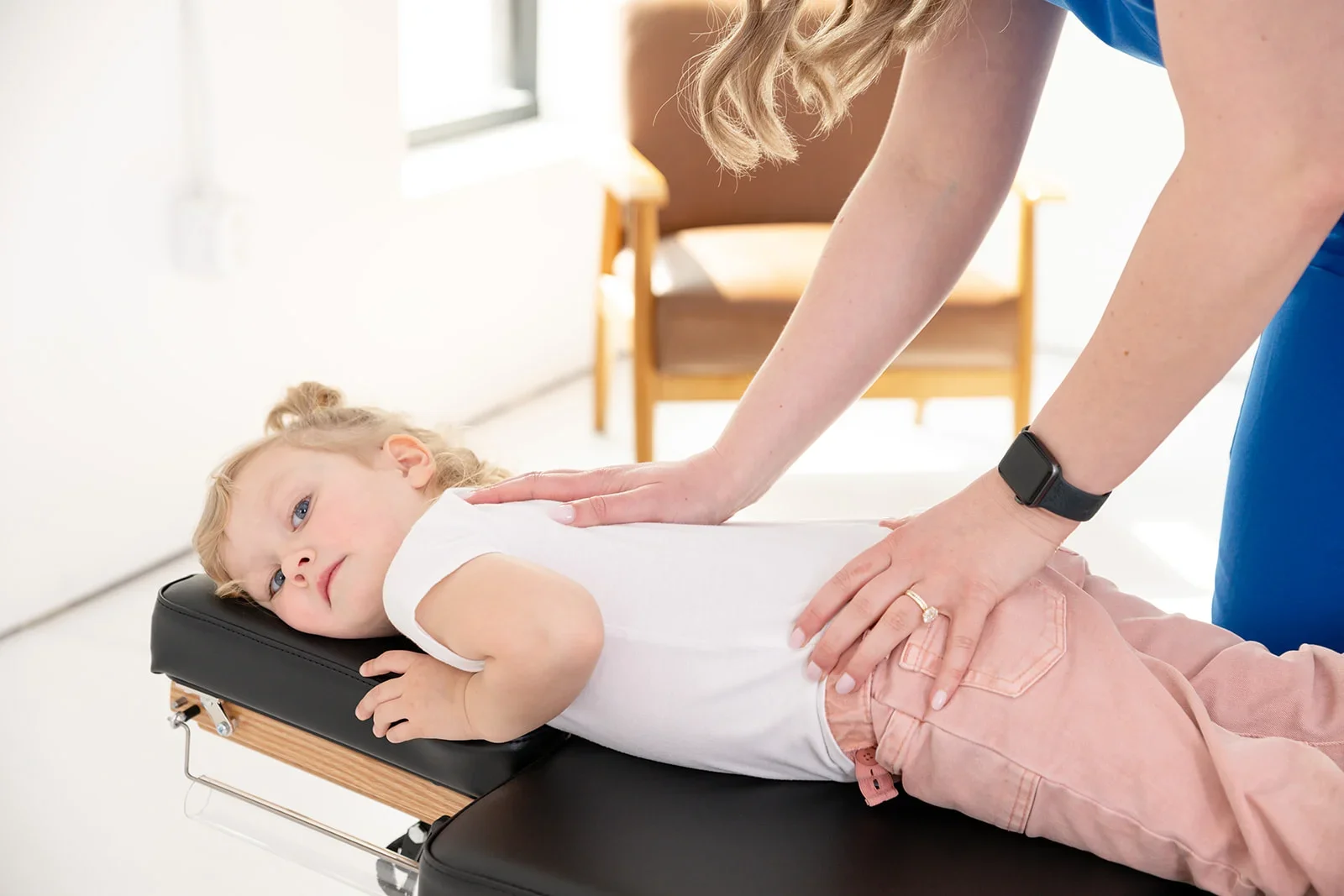
Most childhood "growing pains" are harmless, recurring aches in both legs that show up in the late afternoon or at night, often after an active day, and are gone by morning. Comfort measures such as gentle massage, a warm bath or warm compress, and simple stretching can help.
Call your child's pediatric healthcare provider if pain is only on one side, continues into the morning or daytime, causes limping or trouble playing, or comes with swelling, redness, fever, rash, injury, weight loss, or joint stiffness. Those signs do not fit the usual pattern and deserve an evaluation.
Despite the familiar name, growing pains are not proven to come from bones growing. They are real aches, but the cause is likely a mix of factors, including muscle fatigue, flexible joints, foot mechanics, pain sensitivity, and sometimes stress. They are common in children, especially between ages 3 and 12, and most kids eventually outgrow them.
I am Leah Bagg, a chiropractor with training in evidence-based, family-centered care for infants and children. In this guide to Growing Pains in Kids, I will help you recognize the usual pattern, support your child's comfort, and know when medical care is the right next step.
Understanding Growing Pains in Kids: What’s Normal and When Should You Be Concerned?
When your child wakes up crying in the middle of the night rubbing their shins or thighs, it can feel unsettling. It is comforting to know that up to 50% of children experience recurrent limb discomfort between the ages of 2 and 12. In clinical literature, these episodic aches represent between 14% and 87% of all childhood musculoskeletal complaints (Lehman & Carl, 2017).
While the name suggests that rapid bone growth is stretching sensitive tissues, medical research shows that bones simply do not grow fast enough overnight to cause physical pain (Lehman & Carl, 2017). Instead, this discomfort is a benign, self-limiting response related to physical exertion, muscle fatigue, and structural adaptation as your child moves through various developmental stages.
To help you quickly differentiate between benign bedtime aches and symptoms that require closer medical attention, we have outlined the core differences below:
| Feature | Typical Growing Pains | Signs Needing Medical Attention |
|---|---|---|
| Location | Both legs (bilateral); shins, calves, thighs | Single leg (unilateral) or isolated to a specific joint |
| Timing | Late afternoon, evening, or waking at night | Morning stiffness or constant pain throughout the day |
| Physical Signs | Normal skin, no swelling, joints move freely | Redness, localized heat, visible swelling, or rash |
| Mobility & Gait | Normal walking during the day; no daytime limp | Limping, refusal to bear weight, or reduced activity |
| Systemic Symptoms | None; child is energetic and well overall | Unexplained fever, fatigue, weight loss, or night sweats |
| Response to Touch | Soothed by gentle rubbing, massage, or heat | Tender to touch, avoids pressure, or pain worsens |
Recognizing Typical Symptoms and Red Flags | Growing Pains in Kids: What’s Normal and When Should You Be Concerned?
Classic growing pains follow a very predictable rhythm. In roughly 80% to 90% of cases, children describe bilateral discomfort—meaning the ache affects both legs rather than just one. The pain is usually concentrated in the deep muscles of the calves, shins, thighs, or behind the knees. Crucially, it does not reside inside the joints themselves.
These episodes often peak in frequency during active developmental periods, with studies finding the mean age of onset around 8.6 years. A typical episode lasts anywhere from 10 to 30 minutes, resolving completely by the time your child wakes up ready to play.
However, parents should be mindful of red-flag symptoms that warrant an evaluation by a pediatrician:
- Unilateral pain: Discomfort that consistently affects only one leg.
- Joint involvement: Swelling, warmth, redness, or reduced range of motion in the hips, knees, or ankles.
- Morning stiffness or limping: Difficulty walking or reluctance to bear weight after getting out of bed.
- Systemic illness: Accompanying fevers, unexplained weight loss, dark urine, or unusual rashes.
- Daytime interference: Pain that prevents your child from participating in recess, sports, or normal play.
- Age under 3: Limb pain in very young toddlers should always be evaluated by a healthcare professional.
Underlying Musculoskeletal Triggers | Growing Pains in Kids: What’s Normal and When Should You Be Concerned?
Because growing pains are not caused by actual bone lengthening, what is really going on? Clinicians and pediatric researchers point toward a combination of physical fatigue, biomechanical strain, and sensory factors.
- Muscle Fatigue and Overuse: Energetic play, climbing, and running can overwork young, developing muscles. By late evening, lactic acid buildup and minor muscular fatigue manifest as deep cramping or throbbing.
- Biomechanical Alignment: Children with flexible joints (hypermobility) or flat feet (pronated arches) place extra mechanical strain on the lower legs, knees, and hips during daytime activities.
- Nutritional Factors: In clinical evaluations of children presenting with leg aches, vitamin D insufficiency has been observed in a notable percentage of kids. Adequate vitamin D is essential for healthy musculoskeletal function and bone mineralization.
- Nervous System Sensitivity: A child’s developing sensory system plays a significant role in how tired muscles register discomfort. Understanding common signs of nervous system imbalance can provide helpful context on how external stress, fatigue, and physical demands influence pain perception.
Clinical Diagnosis and Conditions to Rule Out
Growing pains are a diagnosis of exclusion (Lehman & Carl, 2017). This means a diagnosis is made when a child presents with classic symptoms, has a completely normal physical examination, and shows no signs of other conditions (Lehman & Carl, 2017). Diagnostic tests, blood work, or X-rays are typically unnecessary unless atypical or red-flag features are present (Lehman & Carl, 2017).
During an evaluation, a healthcare provider will carefully rule out other pediatric conditions:
- Juvenile Idiopathic Arthritis (JIA): Marked by chronic joint inflammation, morning stiffness, and swelling.
- Overuse Apophysitis: Conditions like Osgood-Schlatter disease (knee pain at the tibial tuberosity) or Sever's disease (heel pain), which are localized to specific tendon attachment sites.
- Restless Legs Syndrome (RLS): Characterized by an uncomfortable urge to move the legs, often accompanied by a creeping or tingling sensation rather than an ache.
- Orthopedic Considerations: Conditions such as transient synovitis or hip disorders.
Routine developmental checks, such as a toddler chiropractic wellness check, help track structural symmetry and joint mobility as your child navigates major growth stages.
At-Home Relief Strategies and Lifestyle Support
When nighttime aches strike, simple comfort measures are often all that is needed to help your child relax and drift back to sleep:
- Gentle Massage: Rubbing the calves and thighs with gentle, soothing strokes helps relax tight muscle fibers and provides calming tactile reassurance.
- Warmth Therapy: Applying a warm washcloth, using a low-heat heating pad for 10–15 minutes, or drawing a warm bedtime bath relaxes tension in fatigued legs.
- Targeted Stretching: Incorporating gentle quadriceps, hamstring, and calf stretches into your evening routine can improve muscle flexibility.
- Proper Footwear: Supportive shoes with adequate arch support help reduce mechanical strain, especially for kids involved in active routines like fall sports prep for soccer and dance.
- Balanced Nutrition and Hydration: Ensure your child drinks plenty of water throughout active afternoons and receives balanced nutrition rich in calcium and vitamin D.
Supporting Your Child's Musculoskeletal and Nervous System Health
As children grow, their bodies constantly adapt to physical changes—from foundational developmental milestones like crawling and learning to walk, to running, jumping, and playing sports. Ensuring that the spine, pelvis, and lower extremities move with proper biomechanical balance allows the nervous system to coordinate these movements smoothly and without unnecessary strain.
At Magnolia Chiropractic in Norman, OK, our focus is on gentle, patient-centered, and evidence-based care tailored specifically to infants, toddlers, and growing children. We take the time to listen to your concerns, thoroughly explain our assessments, and provide safe, comfortable care in a welcoming, family-focused environment.
If you are navigating nighttime leg aches and want to explore the benefits of pediatric chiropractic care, our team is here to support your family. To schedule an evaluation, consult a pediatric chiropractor in Norman, OK at Magnolia Chiropractic today.
References
Lehman PJ, Carl RL. "Growing Pains.." Sports health, 2017. PMCID PMC5349398.
