
Spinning Babies and the Benefits of a Certified Aware Practitioner
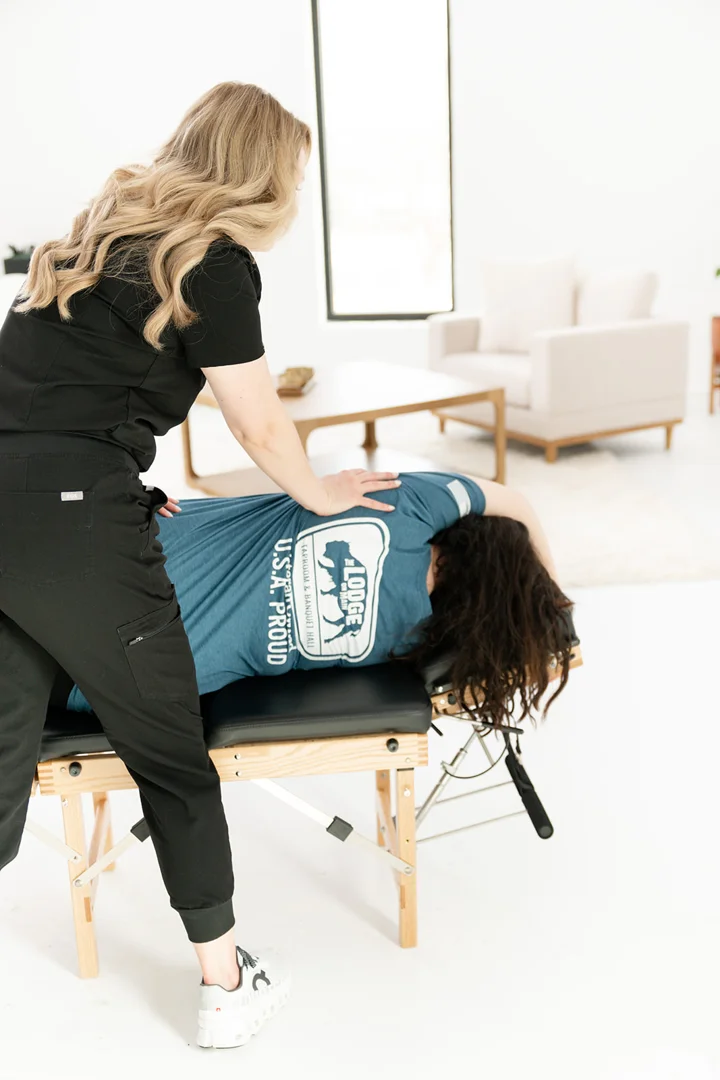
Spinning Babies® is a gentle, body-based approach to pregnancy and birth preparation. Rather than trying to force a baby into a certain position, it focuses on improving a mother's comfort, pelvic mobility, and soft-tissue balance so baby may have more room to move and rotate naturally.
A Certified Spinning Babies® Aware Practitioner has advanced hands-on training in prenatal bodywork, fascial release, pelvic balancing, embodied consent, and nervous-system-aware care. For expecting families, this can mean a calmer, more personalized approach to pregnancy discomfort and fetal-position concerns - always within the practitioner's professional scope and alongside regular prenatal care.
Spinning Babies is different from standard childbirth education because it looks beyond coping skills alone. It considers how the pelvis, muscles, ligaments, fascia, and baby's position may affect comfort and labor progress. These techniques are not a substitute for medical care, and they do not involve manually turning a baby. External cephalic version, or ECV, remains a medical procedure performed by qualified physicians or midwives.
I am Leah Bagg, a chiropractor in Norman, Oklahoma, with advanced training through Spinning Babies®, the ICPA, and other pediatric and prenatal care programs. In this guide to Spinning Babies & the Benefits of Using a Spinning Babies Aware Practitioner, I will explain what this training means for the gentle, informed care I provide to pregnant mothers and growing families.
Clinical Evidence and Clinical Philosophy Behind Spinning Babies
When we look at birth preparation through a physiological lens, we focus on how the maternal anatomy and the baby work together as dynamic partners. Traditional labor management often treats the pelvis as a static container and addresses labor stalls through medical interventions. In contrast, the philosophy taught in Spinning Babies® Aware Practitioner Training embraces salutophysiology—supporting the body’s innate capacity for healthy, normal function.
Hospital systems that have integrated these body balancing principles have documented substantial shifts in birth outcomes. A clinical trial published in the International Journal of Obstetrics and Gynaecological Nursing demonstrated that when labor and delivery nurses adopted the Spinning Babies® approach at Sarasota Memorial Hospital, their cesarean rate dropped from 27% to 14%. Furthermore, after training two-thirds of the nursing staff at South Miami Hospital, cesarean rates fell by 48%, while Jefferson Stratford Hospital saw a 43% reduction within six months. In professional surveys, 91% of attendees rated the approach as highly effective.
Understanding How Chiropractic Care May Help Shorten Labor and Delivery Time begins with recognizing that when maternal soft tissues are balanced and joints move freely, the baby encounters less physical resistance during descent.
| Dimension | Conventional Labor Management | Physiological Body Balancing |
|---|---|---|
| Primary Focus | Managing symptoms, dilation milestones, and medical intervention | Soft-tissue balance, pelvic mobility, and fetal alignment |
| Baby's Role | Passive passenger moving through a fixed bony passage | Active participant navigating dynamic maternal tissues |
| Pain Perspective | A symptom to manage primarily with pharmacological relief | A functional indicator pointing to structural or fascial tension |
| Clinical Goal | External labor acceleration when timelines stall | Restoring anatomical space so physiological progress resumes |
The Physiological Difference: Spinning Babies Compared With Traditional Childbirth Education
Traditional childbirth education classes provide valuable tools, teaching breathing rhythms, position changes, and coping strategies for labor discomfort. However, standard education rarely addresses the underlying biomechanics of the maternal pelvis and uterine environment.
Exploring the Benefits of Prenatal Chiropractic Care alongside body balancing allows us to support the baby's active role in birth. Babies rotate, flex, and navigate the pelvis by responding to the shape of the space around them. If maternal muscles, ligaments, or fascial layers hold asymmetrical tension, the baby may settle into suboptimal positions, such as posterior or asynclitic presentations.
Rigorous Training, Prerequisites, and Professional Scope of Practice
The pathway to becoming an Aware Practitioner involves comprehensive, advanced manual therapy education. Unlike introductory classes, this credential is exclusively open to licensed healthcare professionals whose legal scope includes hands-on bodywork—such as chiropractors, physical therapists, midwives, nurses, and medical doctors—with at least one year of clinical practice.
Prerequisites include completing a 1- or 2-day Spinning Babies® Foundational Workshop within four calendar years or completing advanced biomechanical coursework such as Carol Phillips’ Dynamic Body Balancing. The intensive 4-day training awards 25 to 26 continuing education credits accredited by the American Nurses Credentialing Center (ANCC) and the National Certification Board for Therapeutic Massage and Bodywork (NCBTMB).
Integrating Pelvic Alignment and Fascial Release for Optimal Fetal Positioning
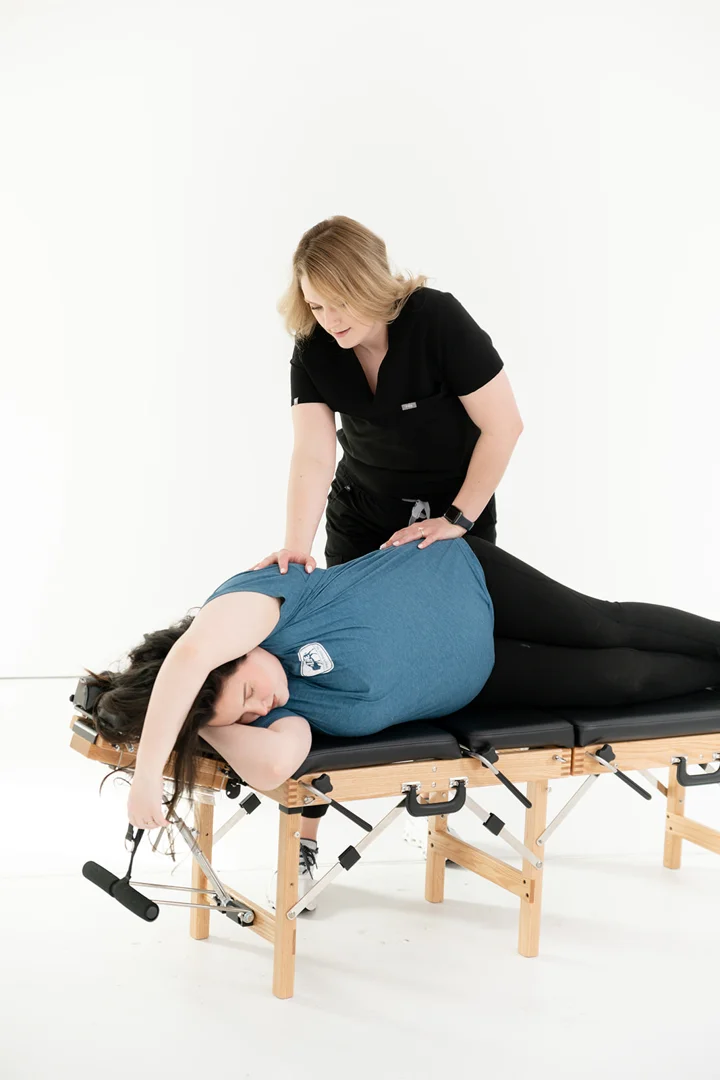
In our clinic, body balancing works hand in hand with chiropractic care. We apply the Pelvic Levels Solutions℠ model, assessing tension across three specific anatomical zones: the pelvic inlet, mid-pelvis, and pelvic outlet.
Integrating Webster Technique 101 with head-to-toe fascial release balances the sacrum, sacroiliac joints, and round ligaments. Utilizing Safe Pregnancy Chiropractic Adjustments, we relieve structural tension in the sacrotuberous and uterosacral ligaments. This gentle soft-tissue unwinding removes torsions that could restrict intra-pelvic diameter, offering the baby the physical freedom to tuck their chin and rotate into an ideal cephalic presentation.
What Expectant Parents Can Anticipate During an Aware Practitioner Session
When expectant parents visit a Prenatal Chiropractor Norman OK, the session begins with an attentive conversation regarding physical history, daily movement patterns, and birth preferences.
During the hands-on assessment, we evaluate pelvic balance and spinal alignment using light palpation and specialized pregnancy cushions. Aware Practitioners never manually push or force a baby to turn. Instead, gentle, rhythmic fascial unwinding and targeted joint mobilization release restrictive holding patterns. Expectant mothers receive clear guidance on daily home routines—such as gentle forward-leaning stretches and side-lying releases—that encourage ongoing balance.
A supportive birth team can make pregnancy and labor feel less overwhelming. Chiropractors, midwives, obstetricians, doulas, and lactation professionals each offer a different kind of support, and together they can help families feel more informed, comfortable, and cared for throughout the birth experience. For a closer look at who to include, see our guide to building your Norman birth team.
Clinical Case Study: Spinning Babies for Breech and Pelvic Dystocia
Understanding How Chiropractic Care Can Help With Breech Positioning is clearly demonstrated in real-world clinical collaborations, such as the account highlighted in the Spinning Babies® Aware Practitioner Story - Spinning Babies. In that case, a mother carrying a breech baby with a compound arm presentation (the baby's arm caught behind the head) received gentle chiropractic body balancing. By releasing tight maternal pelvic ligaments and softening fascial restrictions without direct force on the fetus, the baby gained enough room to tuck the arm safely against the chest, optimizing comfort and positioning.
Gentle pelvic bodywork can also support mothers preparing for a medical External Cephalic Version (ECV) by ensuring maternal tissues are relaxed and pliable. Even in instances where a planned or unplanned cesarean becomes necessary, allowing labor to begin spontaneously triggers a natural release of stress hormones (catecholamines) that helps clear fluid from the newborn’s lungs and prepares them for breathing outside the womb.
Nervous System Pacing, Embodied Consent, and Collaborative Birth Support
A foundational pillar of our work is relational awareness and trauma-informed embodied consent. We move at the speed of the mother's nervous system. Before applying touch, we explain our steps, check in continuously, and honor the body's subtle tension cues, ensuring the birthing parent feels completely safe and in control.
When maternal stress diminishes, the autonomic nervous system shifts from fight-or-flight into a parasympathetic state, allowing uterine muscles and pelvic floor tissues to soften naturally. This respectful care extends past birth to encourage immediate bonding, gentle skin-to-skin contact, and healthy neurodevelopment.
As babies grow, supporting nervous system balance and spinal mobility helps them achieve essential developmental milestones, such as rolling, sitting, reciprocal crawling, and walking. If you are preparing for birth or seeking gentle family care, connecting with a pediatric chiropractor in Norman, OK ensures your family is supported with thoughtful, grounded care through every stage of growth.
