The Summer Sitting Problem: Screen Time, Car Seats, and Strollers is something almost every parent with young children runs into — usually without realizing it has a name.
Here is a quick overview of what it is and why it matters:
- What it is: The combination of extended time in car seats, strollers, and in front of screens during summer outings that can affect infant health, posture, and development
- The core risk: Babies have limited ability to regulate body temperature and cannot reposition themselves — making prolonged, unsupported sitting genuinely dangerous
- The 2-hour rule: Infant car seats should not be used for more than 2 hours at a stretch, even when attached to a stroller frame
- Overheating is fast: A parked car can reach 104°F or higher within minutes, and a covered stroller can trap heat just as quickly
- Car seat misuse is common: In 2025, 74% of nearly 60,000 car seats checked were not being used as the manufacturer intended
- Screen time adds another layer: Managing devices in the backseat affects both child posture and driver attention
None of this is meant to be alarming. Most of these risks are very manageable once you know what to look for.
I'm Dr. Leah Bagg, a chiropractor based in Norman, Oklahoma, with specialized training in infant and pediatric care through the ICPA and other leading organizations. Working closely with families every day, I see how the Summer Sitting Problem: Screen Time, Car Seats, and Strollers shows up in small but meaningful ways in children's developing bodies — and how a little awareness goes a long way toward keeping kids comfortable and supported all summer long.
The Summer Sitting Problem: Screen Time, Car Seats, and Strollers
Modern travel systems make running errands incredibly convenient. Moving a sleeping baby seamlessly from the car to a stroller frame without waking them feels like a parenting victory. However, this convenience often leads to prolonged sitting, which can impact your baby's physical health, pediatric spinal development, and early motor skills.
When infants spend hours in a semi-reclined, bucket-style seat, their movement is heavily restricted. This sitting position curves their developing spine into a "C" shape for extended periods, limiting their opportunity to stretch, roll, and build the core muscles necessary for milestones like crawling and sitting independently.
Understanding The Summer Sitting Problem: Screen Time, Car Seats, and Strollers in Infants
The primary guideline for infant travel safety is the 2-hour rule. Pediatricians and safety experts agree that babies should not spend more than 2 hours in a car seat within any 24-hour window. This rule applies even when the car seat is clicked into a stroller frame or used outside the vehicle.
The concern stems from the angle of the seat, which can cause an infant's heavy head to flop forward, potentially restricting their airway—a condition known as positional asphyxia. This risk is particularly high for premature or low birthweight babies, who may have less neck control and require even shorter intervals (often limited to 30 to 60 minutes) before taking a break.
To support healthy development and maintain Family Spine Health Norman, it helps to understand the different components of your travel system and how long your baby should spend in each:
| Travel System Component | Safe Duration Guidelines | Best Use Practices |
|---|---|---|
| Infant Car Seat | Max 2 hours at a time (30-60 mins for preemies) | Strictly for transit; never use for routine or overnight sleep. |
| Carrycot (Lie-Flat Bassinet) | Safe for several hours | Excellent for newborns; allows the spine to rest flat and supports natural breathing. |
| Pushchair Seat Unit | Age-dependent; limit upright sitting | Use once the baby has strong head control; adjust to a reclined position for naps. |
If you are planning a longer road trip across Oklahoma, remember to schedule regular breaks. Stop every 90 to 120 minutes, take your baby out of the seat, and let them lie flat on a blanket to stretch their spine and move their limbs freely. For more safety details, you can explore The 2-Hour Rule for Baby Car Seats: Safety Tips for Parents | TikTok or read more about Car Seat Safety: What is the 2-Hour Rule and When Does it No ....
Navigating Car Seat Safety, Legal Rules, and Proper Installation
Ensuring your car seat is installed correctly is just as crucial as managing your baby's time in it. According to the National Digital Car Seat Check Database (NDCF) 2025 data, a staggering 74% of the almost 60,000 car seats checked were not used as the manufacturer intended.
The three most common installation mistakes include:
- Seat Belt and Lower Anchor Misuse: Nearly 60% of car seat misuse involved securing the seat belt or lower anchors incorrectly. The car seat base should not move more than one inch in any direction when pulled at the belt path.
- Harness Tension Errors: Nearly 60% of technicians found that parents were not using the harness correctly. You should always perform the "pinch test"—if you can pinch any webbing of the harness strap at your child's shoulder, the harness is too loose. Additionally, ensure the chest clip is positioned at armpit level.
- Overlooked Tethers: The third most common issue was failing to use the top tether on forward-facing seats. Tethers are critical for preventing excessive forward head movement during a sudden stop.
In Oklahoma, child passenger safety is governed by specific state laws. According to Car Seat Safety - Child Passengers - Oklahoma.gov, children must ride in a rear-facing car seat until they are at least 2 years old, or until they reach the maximum height or weight limit specified by the seat's manufacturer. Keeping children rear-facing as long as possible is the safest way to protect their developing neck and spine in the event of a collision.
Keeping Cool: Preventing Overheating in Summer Car Seats and Strollers
Oklahoma summers are notoriously hot, and infant car seats and strollers can quickly become heat traps. Because babies cannot regulate their body temperature as efficiently as adults, preventing overheating is essential.
One common mistake parents make is draping a blanket completely over a stroller to block the sun. This creates a "Stroller Greenhouse Effect," which can spike internal temperatures by up to 15°F in a matter of minutes.
To keep your baby safe and comfortable:
- Prioritize Ventilation: Use the "Half-Drape Method" by securing a breathable blanket only at the top of the stroller, leaving the sides completely open to allow cross-ventilation.
- Choose the Right Fabrics: Opt for lightweight, moisture-wicking materials. Viscose from bamboo, for example, offers excellent thermal conductivity and can keep surfaces significantly cooler than traditional cotton.
- Monitor with the Touch Test: Frequently check your baby's temperature by feeling the back of their neck or chest. If their skin feels hot or damp, or if they seem unusually lethargic (which is a more critical warning sign than crying), move them into an air-conditioned space immediately.
For a deeper look into stroller safety during the warmer months, read the Is Your Stroller a Heat Trap? Summer Stroller Blanket Safety Guide.
Managing Backseat Screen Time and The Summer Sitting Problem: Screen Time, Car Seats, and Strollers
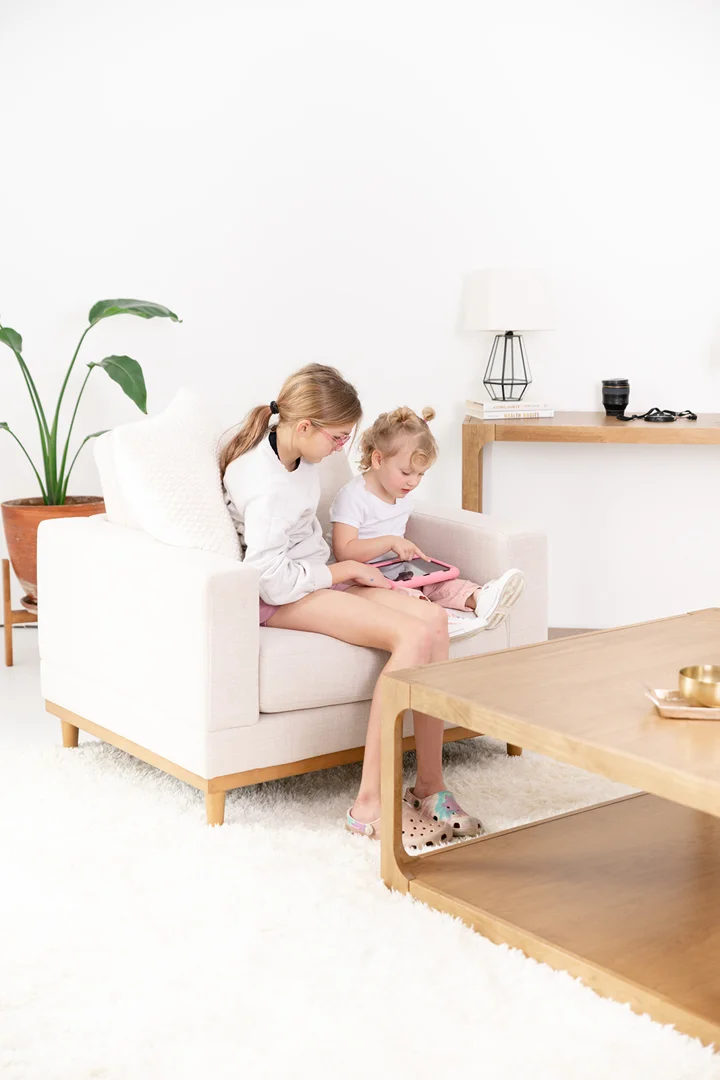
When traffic slows down on the interstate or a drive across the OKC metro gets long, handing a tablet or phone to a child in the backseat is an easy way to keep the peace. While screens can reduce driver distraction, they often worsen the physical challenges of the summer sitting problem.
When children look down at screens in a car seat, they experience "tech neck"—a posture that places immense strain on their cervical spine and developing nervous system. Over time, this poor alignment can contribute to spinal subluxations and physical discomfort. If you suspect your child is struggling with physical tension, it is helpful to look out for Common Signs Your Nervous System Is Out of Balance.
Instead of relying entirely on screens, try building a balanced travel routine:
- Set Screen Time Goals: Reserve devices for specific legs of the trip rather than the entire drive.
- Encourage Creative Play: Pack travel-friendly toys, audiobooks, or classic car games that encourage children to look up and engage with their surroundings.
- Embrace Boredom: Allowing kids to experience moments of quiet boredom often sparks creative thinking and self-awareness.
For practical tips on managing digital boundaries, check out Summer + Screens = Chaos? Try This Instead - Infinite Screen Time.
Supporting Your Child's Spinal Health and Development This Summer
A child’s early years are filled with rapid physical growth and critical developmental milestones. From learning to lift their head to crawling and taking their first steps, every movement helps shape the natural curves of their spine. Ensuring they have plenty of time out of restrictive seats is key to supporting this natural progression.
How Pediatric Chiropractic Care Encourages Healthy Milestones
During the summer, the repetitive stress of sitting in car seats and strollers can cause minor misalignments in a child's spine. Pediatric chiropractic care offers a gentle, non-invasive way to support your child's spinal alignment and overall nervous system health.
By utilizing light, age-appropriate adjustments we help restore proper joint mobility. Supporting spinal alignment early on helps infants comfortably reach milestones like crawling and walking, ensuring their motor development remains on track.
This care is also a wonderful complement to the family's wellness journey. As parents navigate the physical demands of summer—including lifting heavy travel systems and strollers—focusing on maternal recovery is just as important. Mothers can benefit immensely from learning How to Rebuild Core Strength Safely After Pregnancy and exploring the benefits of Chiropractic Care Postpartum Recovery. When the whole family prioritizes spinal health, it paves the way for a much more active, comfortable season. Learn more about our approach to Family Chiropractic Care.
Creating a Balanced Summer Routine for Your Family
At Magnolia Chiropractic in Norman, OK, we believe that summer should be a time of joy, exploration, and active play. Our goal is to provide evidence-based, highly personalized care tailored to the unique needs of your growing family. We take the time to listen to your concerns, explain our gentle techniques thoroughly, and partner with you to support your child's long-term wellness.
If you want to ensure your child's spine and nervous system are supported through a busy season of travel, we invite you to schedule a consultation. Discover how gentle, family-centered care can make a difference by visiting Pediatric Chiropractic Care in Norman, OK. Let us help your family stay comfortable, aligned, and ready for adventure all summer long.