
Sports Chiropractic for Kids & Teens: Growing Bodies, Injuries & Performance
Sports Chiropractic for Kids & Teens: Growing Bodies, Injuries & Performance
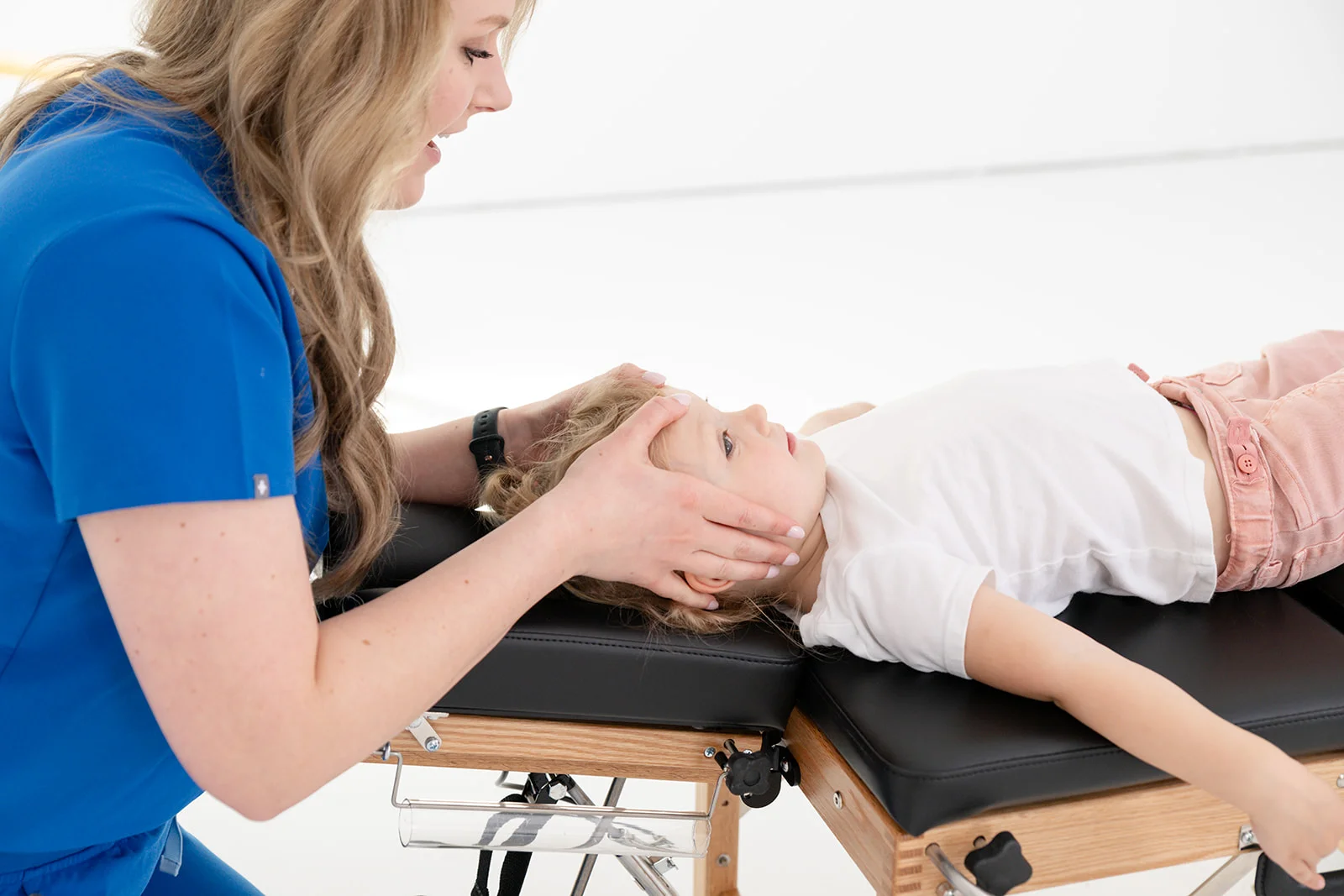
Sports chiropractic supports young athletes by using gentle, developmentally appropriate adjustments to improve spinal and joint alignment, reduce injury risk, and help growing bodies move with better biomechanical balance. Sports chiropractic for kids and teens recognizes that growing bodies, injuries, and performance are intimately connected, making individualized, conservative care essential as young athletes train and compete. For children and teens, this care is tailored to open growth plates, changing muscle length, and developing coordination, making it a supportive option for both injury recovery and everyday athletic performance.
Watching young athletes develop a passion for sports is one of the greatest joys of parenting. Whether they are sprinting down the soccer pitch, tumbling across the gymnastics floor, or running cross-country, kids and teens push their bodies to new limits every day. However, a child’s body is fundamentally different from an adult’s. Their bones, muscles, and nervous systems are continuously adapting to rapid physical changes.
During adolescence, growth plates (epiphyseal plates) remain open and are vulnerable to repetitive stress and high-impact loading. When bones lengthen rapidly, surrounding muscles and tendons often struggle to maintain proportional flexibility, creating temporary imbalances in biomechanical alignment. If an ankle or pelvis loses optimal mobility, the entire kinetic chain compensates—potentially altering running gait, shoulder rotation, or spinal balance.
Youth sports injuries account for an estimated 2.6 million emergency department visits annually in the United States, with over half of these injuries potentially preventable through proper biomechanical alignment, conditioning, and proactive care. Furthermore, adolescents aged 10–19 years make up approximately 45% of all sports-related emergency visits. By evaluating spinal and extremity joint function, sports chiropractic helps ensure that developing joints move smoothly throughout each developmental milestone. For broader context on how movement patterns develop, the American Academy of Pediatrics offers guidance on youth fitness and physical activity.
How Sports Chiropractic Supports Physical Development
Long before a child enters organized athletics, movement habits begin taking shape. Just as chiropractic care helps infants and toddlers navigate foundational milestones like rolling, crawling, and walking, adolescent care supports the body through significant developmental shifts. Rapid bone growth can place excessive tension on soft tissues, frequently contributing to what parents recognize as "growing pains." Gentle adjustments and soft tissue support can relieve this discomfort by balancing joint motion and easing muscular strain.
Understanding the broader pediatric chiropractic benefits allows parents to appreciate how early structural support lays the groundwork for lifelong athletic health. For younger children, early evaluations such as a toddler developmental wellness check ensure that basic spinal mechanics are balanced before sports participation begins.
Additionally, because the spine houses and protects the central nervous system, maintaining proper alignment supports sensory integration and body awareness. For young athletes who navigate sensory challenges alongside physical activity, specialized support for sensory processing differences can help them feel more grounded and confident on the field. Regular evaluations also allow practitioners to monitor for spinal shifts such as adolescent idiopathic scoliosis, ensuring early detection and conservative management when needed.
| Feature | Pediatric & Teen Sports Chiropractic | Adult Sports Chiropractic |
|---|---|---|
| Applied Force | Gentle, sustained fingertip pressure or low-force instruments | Moderate to high-velocity manual adjustments |
| Primary Focus | Supporting open growth plates, biomechanical coordination, milestone integration | Managing degenerative changes, joint restriction, chronic joint wear |
| Joint Cavitation ("Popping") | Rarely present or sought; minimal rotation | Commonly experienced during manual cavitation |
| Rehabilitation Goals | Movement education, posture correction, kinetic chain balance | Tissue remodeling, restoring lost range of motion, ergonomic shifts |
Gentle Techniques and Safety in Youth Sports Care
A common concern among parents is whether chiropractic care is safe for young, developing bodies. Pediatric-focused chiropractic care is exceptionally gentle and modified specifically for a child’s size, bone density, and stage of development.
Rather than using high-force manual maneuvers, practitioners use light fingertip pressure—often no more than the pressure you would use to test the ripeness of a tomato—or specialized low-force instruments like an activator. Gaining a clear understanding of pediatric chiropractic care helps parents realize that treatment is calm, comfortable, and tailored to their child's specific comfort level.
When choosing a practitioner, parents should look for providers with dedicated post-graduate pediatric training and experience working with young athletes. At our practice, every young patient begins with a thorough, unhurried assessment. We review health history, evaluate posture, assess active ranges of motion, and explain every step before touching the patient. Knowing what to expect during an initial evaluation helps kids and parents feel completely at ease. We believe in collaborative care, working alongside pediatricians, physical therapists, athletic trainers, and orthopedic specialists to ensure each child receives comprehensive, safe support.
Injury Recovery, Prevention, and Performance Optimization for Young Athletes
Up to 30% of youth athletes seek chiropractic care to address lower back pain, neck strain, and extremity joint dysfunction. When young athletes participate in sports year-round or specialize in a single sport early, repetitive stress can cause minor misalignments that compromise joint function. Proactive routines, such as structured fall sports preparation for soccer, dance, and cheer, help build resilient bodies capable of handling sudden increases in training volume.
Managing Common Youth Sports Injuries and Overuse Conditions
Young athletes are uniquely prone to traction apophysitis—irritation where tendons attach to developing bone. Conditions like Osgood-Schlatter disease (knee pain below the kneecap) and Sever's disease (heel pain) occur when tight quadriceps or calf muscles pull on active growth plates during growth spurts.
Chiropractic care approaches these overuse injuries by addressing the kinetic chain as a whole:
- Sprains and Strains: Reducing joint restrictions in the ankles, hips, and spine to alleviate compensatory stress on injured ligaments and muscles.
- Overuse Syndromes: Performing gentle extremity adjustments combined with targeted soft tissue therapy to release excessive tension on sensitive growth centers.
- Upper Cervical and Tension Relief: Relieving spinal tension in the neck and shoulders, providing natural tension and headache relief for student-athletes balancing academic stress with athletic demands.
- Systemic Balance: Supporting proper nervous system regulation to help the body transition smoothly from athletic exertion into restorative rest and repair.
Enhancing Coordination, Biomechanics, and Long-Term Athletic Wellness
Athletic performance is fundamentally rooted in neurological communication. Proprioception—the body’s ability to sense its position, orientation, and movement in space—relies on constant input from receptors located in joints and spinal tissues. When spinal segments or extremity joints are restricted, these sensory signals can become sluggish or distorted.
By restoring optimal joint movement, chiropractic adjustments help refine neuromuscular efficiency, which can lead to improved balance, sharper agility, and faster reaction times on the field. More importantly, balanced mechanics reduce uneven wear and tear, serving as a primary defense against non-contact injuries.
Promoting healthy movement patterns during childhood and adolescence protects growing joints and instills healthy habits for life. Supporting family spine health ensures that parents and children alike maintain active, pain-free lifestyles together.
At Magnolia Chiropractic in Norman, OK, we provide thoughtful, evidence-based care tailored to the individual needs of growing children and teens. If your young athlete is recovering from a sports injury, navigating a growth spurt, or looking to move with greater comfort and ease, we welcome you to schedule an assessment with a dedicated pediatric chiropractor in Norman, OK.
