
A Practical Guide to Chiropractic Care for Third Trimester Rib Pain
Rib Pain in the Third Trimester: What You Need to Know Right Away
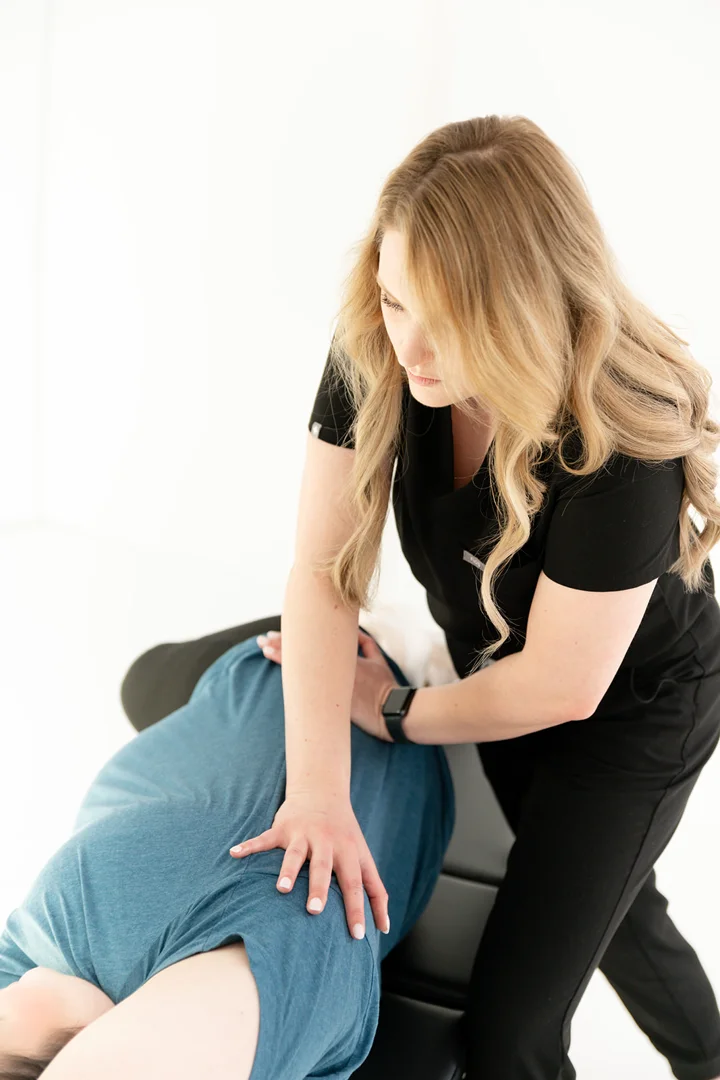
Is chiropractic care the answer for rib pain in the third trimester? For many pregnant women — the answer is yes. Gentle, pregnancy-specific chiropractic care can meaningfully reduce rib discomfort in late pregnancy.
Quick answers:
- Is it normal? Yes. Rib pain is very common in the third trimester due to your growing baby, shifting posture, and hormonal changes.
- Is chiropractic safe during pregnancy? Yes, when performed by a trained provider using pregnancy-appropriate techniques.
- What does it help with? Rib pressure, mid-back tightness, restricted breathing, and overall thoracic discomfort.
- When should you go? You don't have to wait until the pain is severe. Care is most effective when started early.
- Are there red flags? Yes. Right-sided rib pain with itching, high blood pressure, or swelling needs medical attention right away.
You're in your third trimester. Your belly is growing fast, your ribs feel like they're being pushed outward from the inside — because they are. Many women describe it as a bruised feeling, a constant pressure, or even sharp pain with deep breaths.
It's one of those pregnancy symptoms nobody really warns you about. And too often, women are told to just push through it.
But rib discomfort in late pregnancy has real, treatable causes. And there are real, gentle options that can help — without medication, and without waiting until after delivery.
I'm Dr. Leah Bagg, a chiropractor at Magnolia Chiropractic in Norman, OK, with specialized training through the ICPA and Spinning Babies, focused on supporting women through every stage of pregnancy — including the challenges of rib pain in the third trimester. I've worked with many pregnant patients experiencing exactly this kind of discomfort, and I'm here to walk you through what's actually happening in your body and what care can look like.
Understanding Rib Pain in the Third Trimester: Is Chiropractic Care the Answer?
As you enter the final stretch of your pregnancy, your body undergoes remarkable physical transformations to accommodate your growing baby. While much of the conversation around prenatal discomfort focuses on the lower back and pelvis, the upper torso undergoes its own set of intense adaptations.
During the third trimester, your expanding uterus rises high into the abdomen, eventually placing upward pressure on your diaphragm. To make room, your diaphragm elevates by approximately 4 to 5 centimeters, and your entire rib cage must widen. In fact, a woman's chest circumference typically expands by 5 to 7 centimeters during pregnancy.
This expansion is made possible by the hormone relaxin, which increases ligament laxity throughout your entire body—not just in your pelvis. While relaxin is essential for allowing your birth canal to expand, it also makes the joints of your spine and rib cage much more flexible and vulnerable to misalignment. When the costovertebral joints (where your ribs attach to your spine in the mid-back) experience this increased movement and pressure, they can easily become irritated, locked, or inflamed.
According to a Research on Pregnancy-Related Musculoskeletal Pain, up to 70% of pregnant women experience some form of back or pelvic pain. In the third trimester, this pain frequently migrates upward into the thoracic spine and ribs. This biomechanical shift is often compounded by Pregnancy Related Back Pain, as your shifting center of gravity pulls your shoulders forward and rounds your upper back, placing even greater structural strain on your rib cage.
What Causes Rib Discomfort During Late Pregnancy?
Understanding the specific mechanisms behind third-trimester rib pain can make the experience feel much less daunting. The discomfort you are feeling generally stems from a combination of the following factors:
- Rib Flare: As your uterus pushes upward, your lower ribs splay outward to the sides. Sometimes, the costal joints lock in this expanded position, preventing the ribs from returning to a neutral state during exhalation. This can cause a persistent, dull ache or a "bruised" sensation along the bottom edge of your rib cage.
- Intercostal Neuralgia: The intercostal nerves run directly beneath each rib. When the ribs expand, shift, or experience muscle tension, these nerves can become compressed or irritated. This often presents as a sharp, shooting, or burning pain that wraps around your side or makes deep breathing uncomfortable.
- Costochondritis: The cartilage connecting your ribs to your breastbone (sternum) can become inflamed due to the constant outward pressure and postural strain. This results in localized tenderness right in the center of your chest.
- Progesterone and Breathing Mechanics: Elevated progesterone levels during pregnancy naturally increase your breathing rate and depth. This means your intercostal muscles and diaphragm are working harder than usual, making them more susceptible to fatigue and strain under the physical constraints of late pregnancy.
How Prenatal Adjustments Offer Gentle Relief
When managing rib pain in the third trimester: is chiropractic care the answer? For many women, yes. Chiropractic care offers a non-invasive, drug-free pathway to relief by addressing the mechanical root causes of your discomfort rather than simply masking the symptoms.
Our primary goal when addressing rib pain is to restore proper thoracic mobility. By gently adjusting the thoracic spine and the costovertebral joints, we can relieve the mechanical restriction that causes rib flare and intercostal nerve irritation. When these joints move freely, your rib cage can expand and contract naturally with each breath.
Furthermore, restoring rib mobility directly supports your diaphragm, enabling deeper, more comfortable breathing and reducing that common sensation of breathlessness. Beyond local structural relief, gentle adjustments help soothe your nervous system, reducing the overall muscle tension and stress that can exacerbate pain.
Because the body functions as an interconnected system, we also evaluate your overall pelvic alignment. Ensuring your pelvis is balanced reduces the compensatory curves in your upper spine, taking unnecessary pressure off your mid-back and ribs. You can learn more about these systemic advantages in our guide on the Benefits of Prenatal Chiropractic Care, and explore broader clinical perspectives through the ICPA Insights on Chiropractic Care in Pregnancy.
Safe Chiropractic Techniques for Late-Pregnancy Rib Discomfort
At Magnolia Chiropractic, your safety and comfort are our absolute priorities. We never use high-force twisting or abrupt, jarring movements on our pregnant patients. Instead, we utilize gentle, highly modified techniques tailored specifically for your changing body.
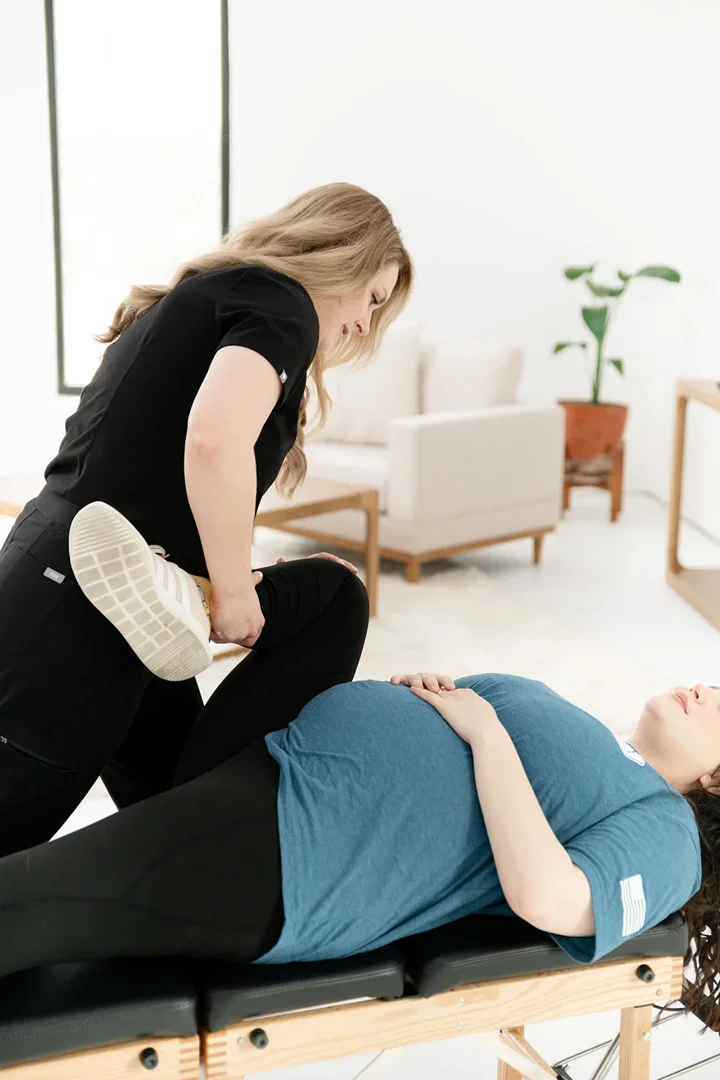
- Specialized Pregnancy Pillows and Tables: We use supportive, contoured cushions and table modifications that allow you to lie comfortably and safely without placing any pressure on your belly.
- The Webster Technique: This specialized chiropractic analysis and adjustment focuses on balancing the pelvis and sacrum while releasing tension in the round ligaments. By establishing pelvic balance, we reduce the physical compensations that travel up your spine to your ribs.
- Gentle Mobilization and Low-Force Adjustments: We apply light, precise pressure to the restricted joints of your ribs and mid-back to restore normal motion. We may also use a drop table, which uses gravity to gently assist the adjustment with minimal force.
- Soft Tissue Therapy: We incorporate gentle myofascial release on the tight intercostal muscles and surrounding connective tissues to relieve localized tension and ease nerve pressure.
Maintaining structural balance throughout your pregnancy not only improves your daily comfort but also helps prepare your body for the physical demands of birth. For more on this connection, read about How Chiropractic Care May Help Shorten Labor and Delivery Time.
Gentle Solutions and Professional Care for Late-Pregnancy Discomfort
Managing third-trimester rib discomfort is most effective when we combine professional clinical care with supportive daily habits at home. Our goal is to enhance your maternal comfort during these final weeks while smoothing your transition into the postpartum period.
As your body prepares for birth, keeping your spine and ribs mobile helps you maintain better posture and breathing mechanics. This structural support remains highly beneficial even after your baby arrives, as your body begins the process of recovery and adapts to the physical demands of nursing and carrying your newborn. For insight into this next phase, you can explore our resources on Chiropractic Care Postpartum Recovery.
Natural Home Remedies to Support Rib and Thoracic Comfort
To support your clinical care, there are several gentle, practical strategies you can practice at home to manage rib pressure and maintain mobility:
- Practice 3D Breathing: Instead of breathing shallowly into your chest, focus on expanding your rib cage three-dimensionally—sending your breath outward into your sides and into your back. This gentle internal movement helps stretch the tight intercostal muscles from the inside out.
- Use the "Log Roll" Technique: When getting out of bed, avoid twisting your torso or sitting straight up, which strains your abdominal and rib muscles. Instead, keep your knees together, roll onto your side as a single unit, and use your arms to gently push yourself up.
- Prioritize Side Sleeping with Pillow Support: Sleep on your left side to optimize circulation. Place a supportive pillow between your knees and ankles to keep your pelvis aligned, and consider a small, soft rolled towel or thin pillow under your belly or side to prevent your torso from twisting forward.
- Gentle Movement: Incorporate simple, pregnancy-safe movements like Cat-Cow stretches or gentle chest openers to encourage thoracic flexibility.
To help you understand how these approaches work together, here is a simple comparison of home care and professional chiropractic support:
| Strategy | Home Care (Self-Management) | Professional Chiropractic Care |
|---|---|---|
| Primary Focus | Gentle daily relief, comfort maintenance, and minimizing aggravating movements. | Restoring joint mobility, correcting spinal alignment, and balancing the pelvis. |
| Techniques Used | 3D breathing, the "log roll" bed transition, pillow support, and light stretching. | Gentle thoracic mobilization, soft tissue therapy, and the Webster Technique. |
| When to Use | Daily to maintain comfort and prevent minor tension from building up. | When rib pain persists, breathing feels restricted, or postural shifts cause sharp discomfort. |
| Long-Term Benefit | Helps manage daily symptoms and maintains muscle flexibility. | Addresses the root mechanical causes of rib flare and prepares the body for birth. |
When to Seek Professional Care for Pregnancy Rib Pain
While the vast majority of third-trimester rib pain is mechanical and completely normal, it is essential to distinguish musculoskeletal discomfort from symptoms that require immediate medical attention.
When to contact your OB/GYN or midwife immediately:
- Right-Sided Rib Pain: Severe, persistent pain under your right rib cage can be a sign of preeclampsia or HELLP syndrome, especially if accompanied by high blood pressure, swelling in your hands or face, headaches, or vision changes.
- Unexplained Itching: Severe itching, particularly on the palms of your hands and soles of your feet without a rash, can indicate a liver condition called cholestasis of pregnancy.
- Sudden, Sharp Pain with Fever or Cough: This could indicate a respiratory issue or localized infection that needs prompt medical evaluation.
If your rib pain is a dull, bruised ache, a burning sensation that shifts with your posture, or a tightness that worsens when you sit for long periods, it is highly likely to be musculoskeletal. In these cases, you do not have to simply wait out the discomfort.
At Magnolia Chiropractic in Norman, OK, we provide a warm, supportive environment where your concerns are heard and thoroughly evaluated. We take the time to understand your unique pregnancy journey, offering gentle, evidence-based care tailored specifically to your body's needs. If you are ready to find relief and support your body through these final weeks, we invite you to connect with our Prenatal Chiropractor Norman OK team to discuss how we can help you experience a more comfortable, balanced third trimester.
